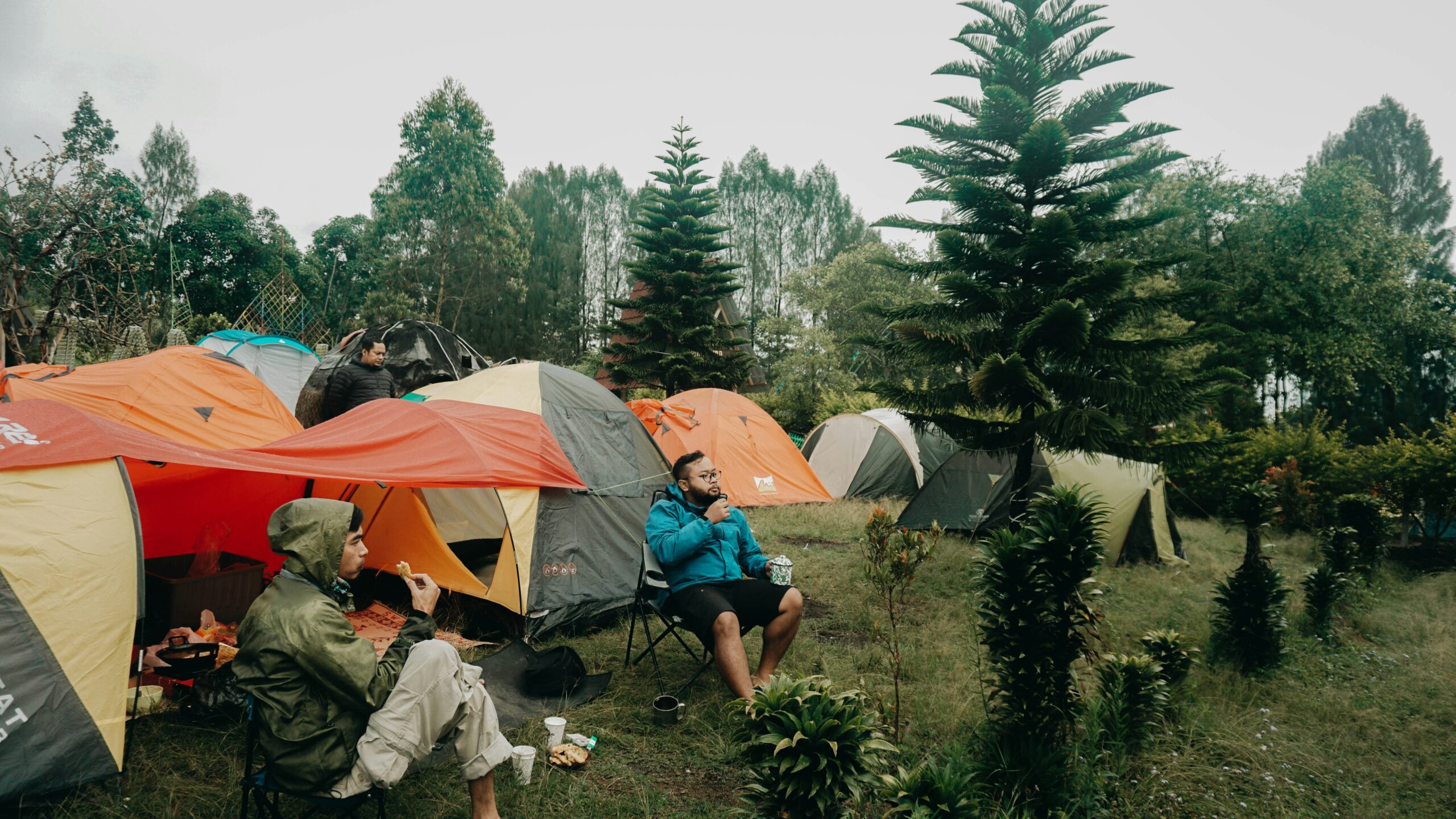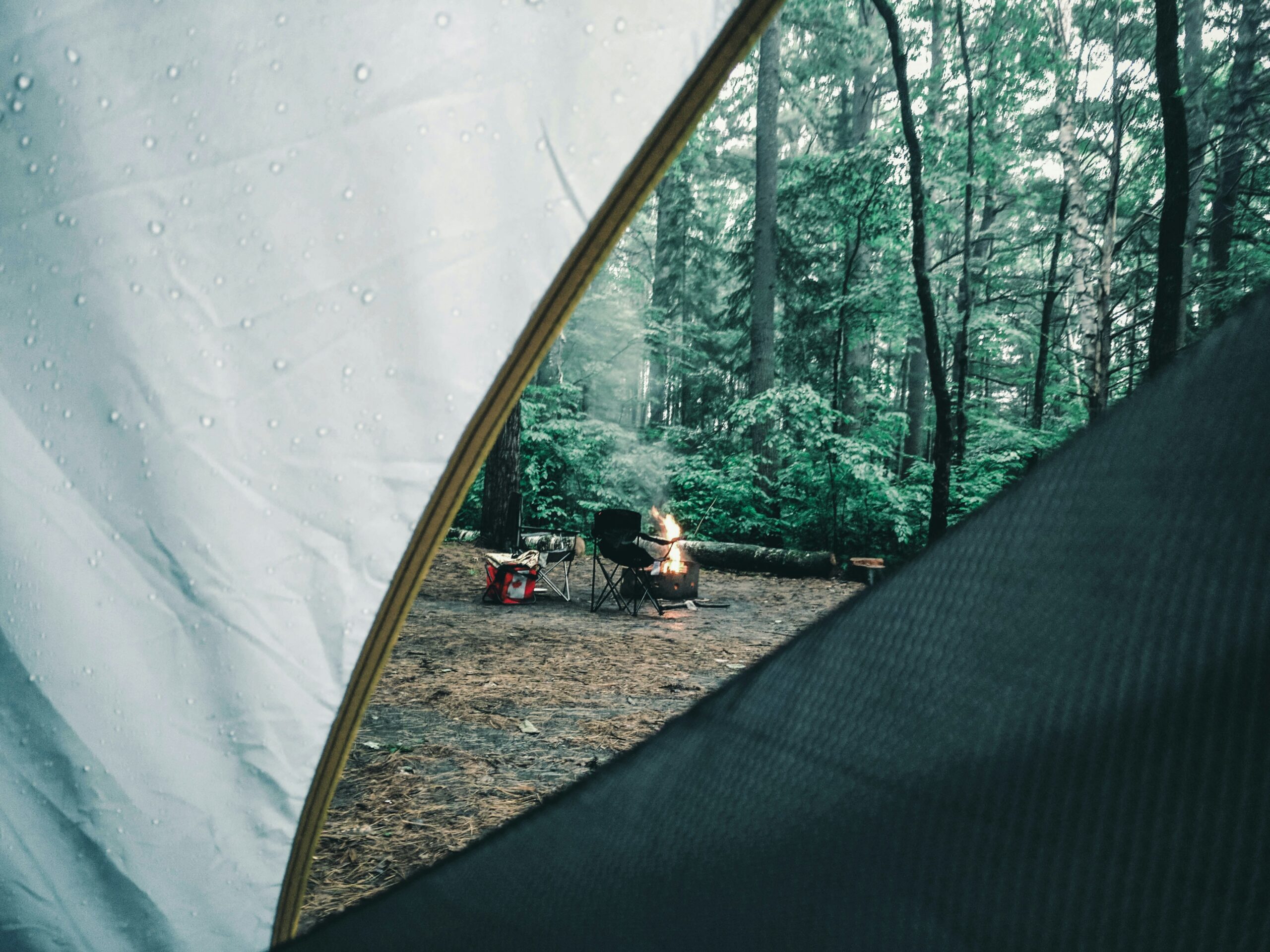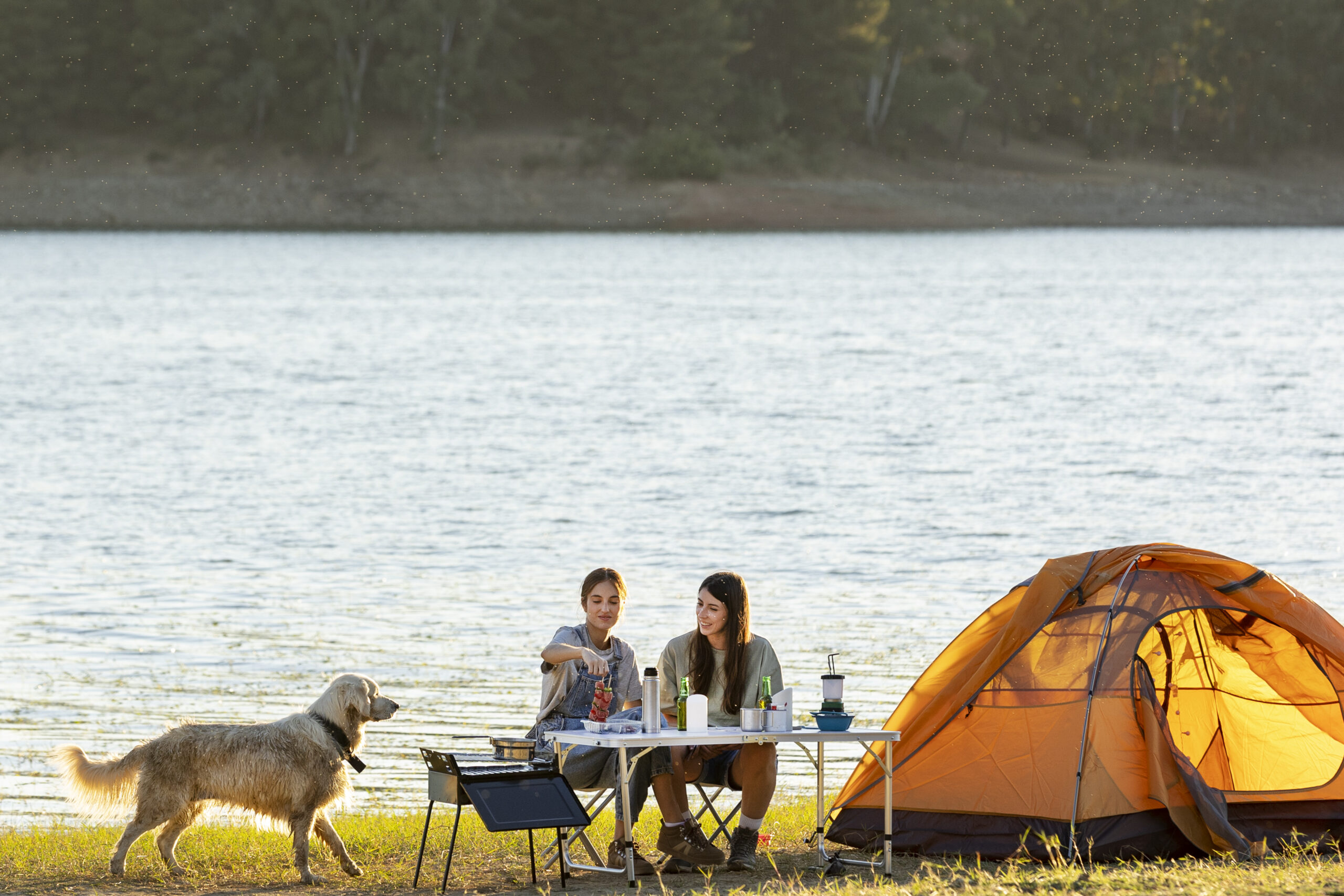
There’s nothing quite like coastal camping—waking up to the crash of waves, breathing in salt-kissed air, and watching sunsets paint the ocean in fiery hues. Unlike forest or mountain camping, the beach brings unique joys (endless shoreline hikes, tide pool discoveries) and challenges (wind, tides, salt corrosion). This concise guide distills everything you need for a safe, memorable coastal escape—no fluff, just actionable tips and gear picks to make your trip seamless.
1. Campsite Selection: Tide Safety First
The golden rule of coastal camping? Never underestimate tides. A site that feels safe at noon can flood by dusk. Start by checking the local tide schedule (use apps like NOAA Tides & Currents) and choose a spot 200+ feet above the high-tide line—look for elevated ground, sand dunes, or rocky outcrops that act as natural barriers. Avoid low-lying depressions, dune vegetation (critical for erosion control), and cliff edges (unstable after rain).
Opt for developed campgrounds (like national seashores or state parks) if you’re new—they offer restrooms, potable water, and designated sites that minimize environmental impact. For seclusion, primitive beach camping (accessible by 4×4 or hike) is magical, but always secure permits (many coastal areas restrict overnight stays to protect wildlife like nesting sea turtles).
2. Gear That Beats Wind, Sand, and Salt
Coastal gear needs to withstand three enemies: wind, sand, and saltwater. Here’s what to prioritize:
- Tent: Choose a wind-resistant model with a sturdy frame, reinforced guy lines, and a waterproof rainfly (1500mm+ hydrostatic head). Look for vestibules to keep sand out—brands like Big Agnes or MSR make coastal-friendly options. Skip lightweight three-season tents—they’ll collapse in gusts.
- Sleeping Gear: Even summer nights are cool and damp. Pair a 30-40°F (-1 to 4°C) sleeping bag with an inflatable pad (R-value 3.0+) to insulate against wet sand. Add a ground cloth to protect the tent floor from shells and rocks.
- Cooking: Wind ruins ordinary stoves—go for a windproof system like the Jetboil MiniMo or MSR WindBurner. Use stainless steel cookware (aluminum corrodes in salt air) and store food in sealed containers to keep sand and seagulls away.
- Clothing: Layer for unpredictability: waterproof windbreaker (Gore-Tex or similar), moisture-wicking base layer, fleece jacket, and sun-protective UPF 50+ wear. Pack water shoes for rocky shores and a hat to shield against reflective sun.
- Extras: Sand anchors (regular stakes won’t hold), a windscreen for cooking, a saltwater-resistant dry bag (for electronics/clothes), and extra sunscreen (SPF 50+—water and sand amplify UV rays).
3. Must-Do Coastal Activities
Make the most of your beachside location with these low-effort, high-reward activities:
- Tide Pool Exploration: Hit the shore at low tide to discover starfish, crabs, and sea anemones. Step gently, never remove creatures, and bring a magnifying glass for tiny details.
- Shoreline Hikes: Early mornings are perfect for walking the beach—collect shells (leave live ones!), spot seabirds, and pick up litter to protect marine life.
- Water Fun: Swim in calm coves (avoid riptides), snorkel to see fish and rocks, or paddle a lightweight kayak along the shore. Check water quality advisories after rain.
- Wildlife Watching: Bring binoculars to spot dolphins, pelicans, or even whales (during migration). Keep a safe distance—disturbing animals stresses them and risks aggression.
- Sunset & Stargazing: Beach sunsets are non-negotiable—grab a blanket and watch the sky glow. At night, away from city lights, stargaze over the water—some coastal areas are dark-sky certified.
4. Safety Tips to Keep in Mind
Coastal camping’s beauty comes with risks—stay prepared:
- Tides: Recheck schedules daily. Never camp or hike below the high-tide line, and if trapped by rising water, move to higher ground immediately.
- Weather: Storms and fog hit fast. Monitor forecasts and pack a weather radio. Take down tents at the first sign of strong winds.
- Riptides: Swim only in lifeguarded areas. If caught in a riptide, swim parallel to shore (not against it) until you’re free, then head back.
- Wildlife: Store food in bear canisters or hanging bags (raccoons and seagulls are relentless). Keep distance from seals, sea lions, and nesting birds—disturbing them is often illegal.
- Sand & Salt: Rinse gear with fresh water after use to prevent corrosion. Shake out tents and use a brush to remove sand before packing.
5. Leave No Trace: Protect Coastal Ecosystems
Coastal habitats are fragile—follow these rules to minimize impact:
- Pack out all trash (sand hides litter; marine animals eat plastic).
- Stay off sand dunes and native vegetation (they prevent erosion).
- Use biodegradable soap 200+ feet from water.
- Avoid campfires unless in designated rings—never burn driftwood (it’s vital for marine habitat).
Coastal camping is about slowing down and soaking in the ocean’s rhythm. With smart site selection, durable gear, and respect for the environment, you’ll create memories that linger like salt on skin. Whether you’re sipping coffee as the sun rises or listening to waves at night, this is outdoor living at its most magical.
Recommended Coastal Camping Gear (Compact Picks):
- Big Agnes Tiger Wall UL2 Tent: Windproof, waterproof, and lightweight—perfect for beach conditions.
- MSR WindBurner Stove System: No-fuss cooking in strong winds.
- Patagonia Torrentshell Jacket: Blocks rain and salt spray.
- Sea to Summit 30L Dry Bag: Keeps gear safe from moisture and sand.