Camping is more than just sleeping outdoors—it’s a gateway to reconnecting with nature, escaping digital overload, and building self-reliance. For first-timers, however, the sheer volume of information about gear, locations, and logistics can feel overwhelming. This guide breaks down the fundamentals of camping for beginners, covering everything from choosing the right equipment to mastering basic skills that will turn your first trip into a memorable adventure rather than a stressful ordeal.
First, let’s address the most critical aspect: gear. Contrary to popular belief, you don’t need to spend a fortune on high-end equipment to have a successful camping trip. Start with the basics: a three-season tent (preferably with a rainfly), a sleeping bag rated for temperatures 10-15 degrees lower than the expected low (this provides a buffer for unexpected cold), and a sleeping pad to insulate you from the ground. For cooking, opt for a lightweight propane stove or a portable charcoal grill, paired with durable cookware (stainless steel or titanium works best for outdoor use). Don’t forget essentials like a headlamp (with extra batteries), a multi-tool, waterproof matches, and a first-aid kit stocked with bandages, antiseptic wipes, pain relievers, and any personal medications. When it comes to clothing, follow the layering principle: a moisture-wicking base layer, an insulating mid-layer (fleece or down), and a waterproof outer layer. This system allows you to adjust your attire as temperatures fluctuate throughout the day.
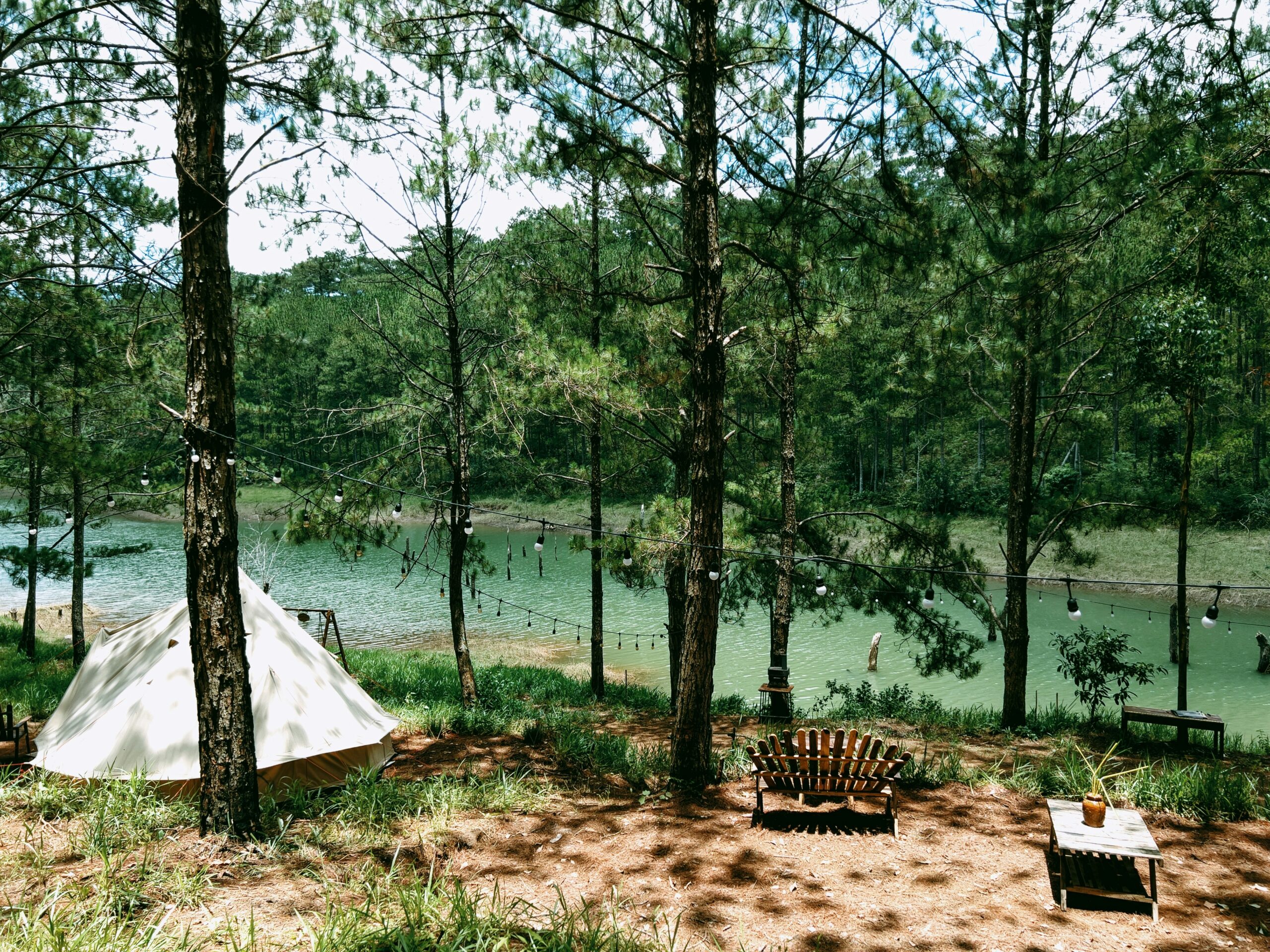
Next, selecting the right campsite is key to a comfortable experience. For beginners, established campgrounds with amenities like restrooms, showers, and potable water are ideal—they offer a safety net while you learn the ropes. Websites like ReserveAmerica, Hipcamp, and Recreation.gov can help you find campgrounds that fit your needs, whether you’re looking for a quiet spot in a national forest or a family-friendly park with playgrounds and hiking trails. When choosing a specific site within a campground, look for level ground (avoid slopes that will leave you sliding toward the tent wall at night), proximity to water (but not so close that you’re at risk of flooding), and shade (especially important in summer to keep your tent cool). Avoid areas with dead trees or overhanging branches, which pose a risk of falling during storms.
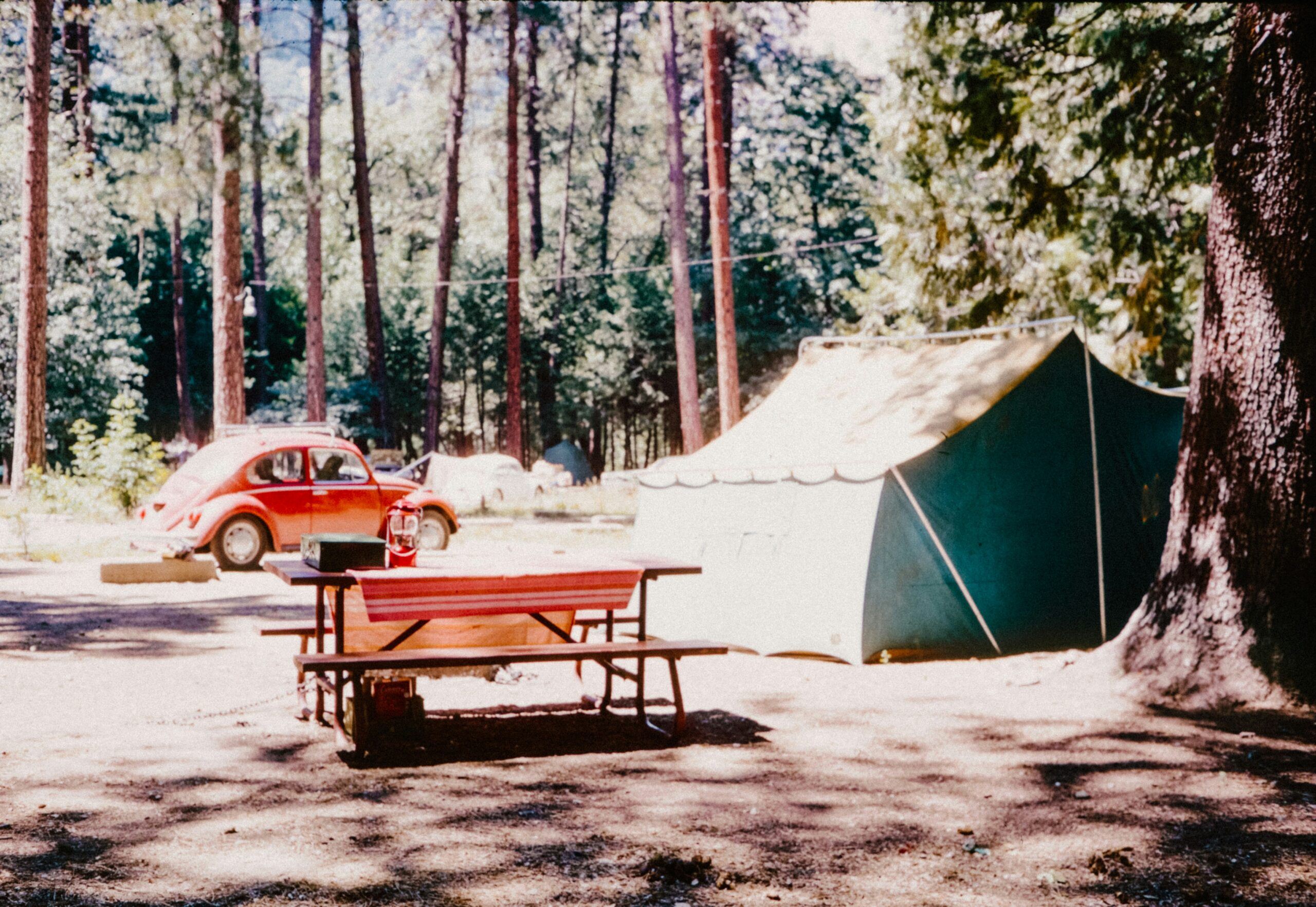
Once you arrive at your campsite, setting up camp efficiently will set the tone for your trip. Start by clearing the area of rocks, sticks, and debris—this will prevent uncomfortable lumps under your tent floor. Lay out your tent footprint (a groundsheet that protects the bottom of your tent) and align it so the door faces away from the wind. Assemble the tent poles according to the manufacturer’s instructions, making sure they’re securely fastened to the tent corners. Attach the rainfly even if the weather is clear—sudden showers are common in the outdoors, and the rainfly adds extra insulation and protection. After setting up the tent, organize your gear inside: store dirty shoes in a mesh bag outside, keep valuables in a secure pocket, and lay out sleeping pads and bags so they’re ready for bedtime.
Cooking outdoors is one of the joys of camping, but it requires some planning. Prepare meals in advance as much as possible—chop vegetables, marinate meat, and pre-portion ingredients into sealed containers to save time at the campsite. Stick to simple recipes that require minimal equipment: foil-pack dinners (meat, veggies, and potatoes wrapped in foil and cooked over the fire), hot dogs or hamburgers on the grill, or oatmeal with dried fruit for breakfast. Always follow fire safety guidelines: use designated fire rings, keep a bucket of water or a fire extinguisher nearby, and never leave a fire unattended. When extinguishing a fire, pour water over it, stir the ashes, and repeat until everything is cool to the touch.
Finally, practicing Leave No Trace principles is essential to preserving the outdoors for future generations. Pack out all trash (including food scraps, which attract wildlife), dispose of human waste properly (use designated restrooms or a portable toilet), and avoid disturbing plants and animals. Stay on marked trails to prevent erosion, and respect quiet hours to maintain a peaceful atmosphere for fellow campers.
By focusing on these basics—quality gear, smart site selection, efficient setup, simple cooking, and environmental responsibility—beginners can build confidence and develop a love for camping that will last a lifetime. Remember, the goal is to enjoy the experience, not perfection. Even if things don’t go exactly as planned, those unexpected moments (like a rainy night spent playing cards in the tent or spotting a deer at dawn) often become the most cherished memories.
Recommended Camping Gear for Beginners:
- Coleman Sundome 2-Person Tent: Easy to set up (takes 10 minutes or less), waterproof, and affordable—perfect for first-timers.
- Therm-a-Rest Trail Pro Sleeping Pad: Lightweight, durable, and provides excellent insulation from the ground.
- MSR PocketRocket 2 Stove: Compact, efficient, and works well in all weather conditions—ideal for cooking simple meals.
- Black Diamond Spot 400 Headlamp: Bright (400 lumens), long-lasting battery life, and lightweight—essential for navigating campsites at night.