While mountain camps offer alpine silence and forest camps provide pine-scented solitude, coastal camping engages all senses in a dynamic, salt-tinged dialogue with the infinite. Here, your campsite exists on the frontier between two worlds: the steadfast earth and the ever-changing sea. This is camping governed by tides, shaped by winds, and illuminated by horizons that stretch beyond sight.
The Rhythm of Tides and Time
Coastal camping demands a fundamental shift in awareness. Your primary map is not just topographic, but tidal. The twice-daily breath of the ocean dictates where you walk, where you explore, and even where you pitch your tent. Setting camp requires knowing the high-tide line—not just as a mark on a map, but as a critical boundary for safety. The mesmerizing lullaby of waves at night is also a reminder of nature’s power; a storm surge or rogue wave respects no human schedule.
This environment teaches temporal intelligence. Your days align with natural cycles: exploring tide pools at low tide, gathering driftwood (where permitted) in the evening calm, timing your beach hikes to avoid being cut off by rising waters. The coast is never static, and to camp here is to become a student of its constant, rhythmic transformation.
The Unique Coastal Kit: Defense Against Salt and Sand
The sea air and abrasive sand require specific gear considerations. Salt corrosion is relentless, and sand infiltrates everything.
-
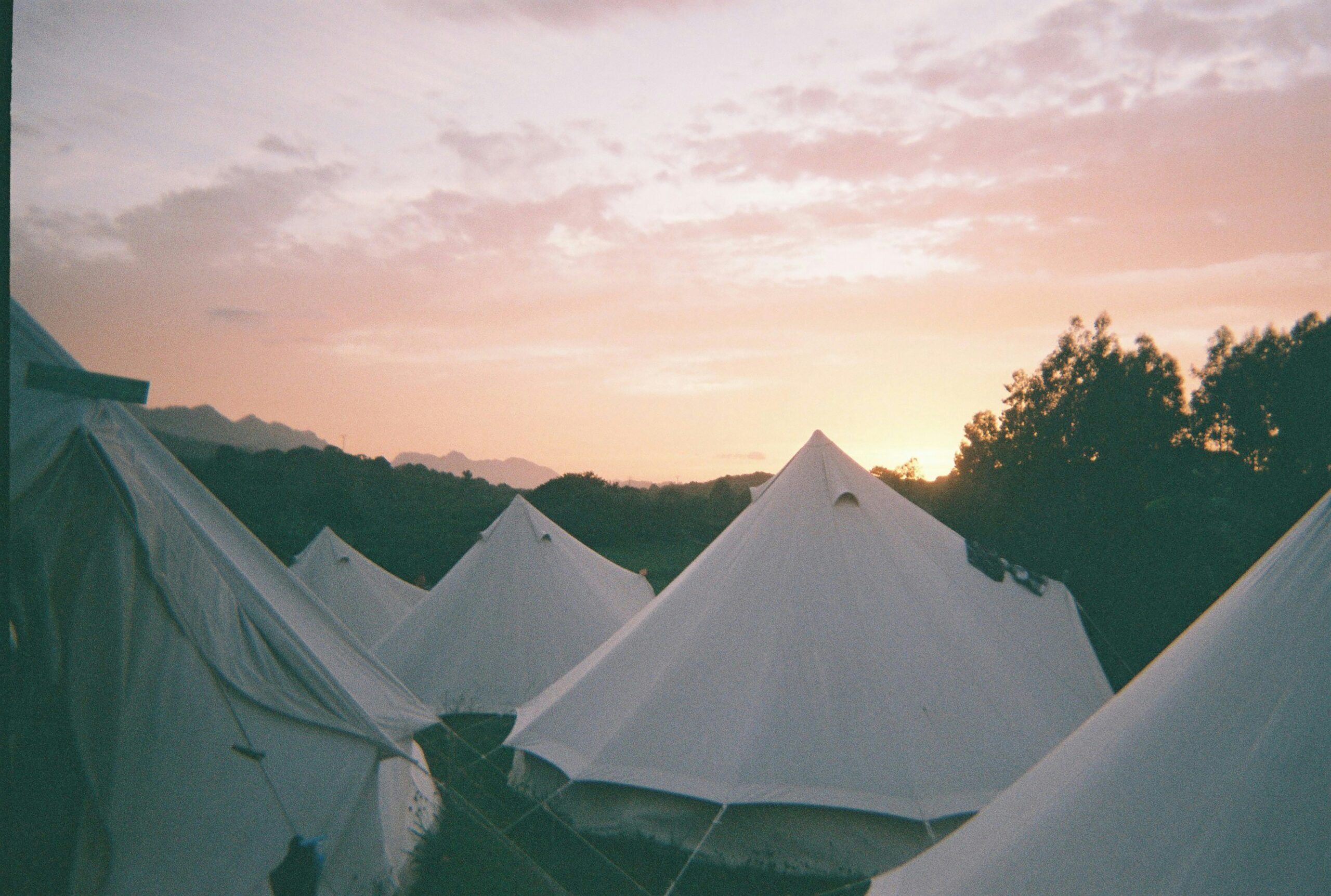
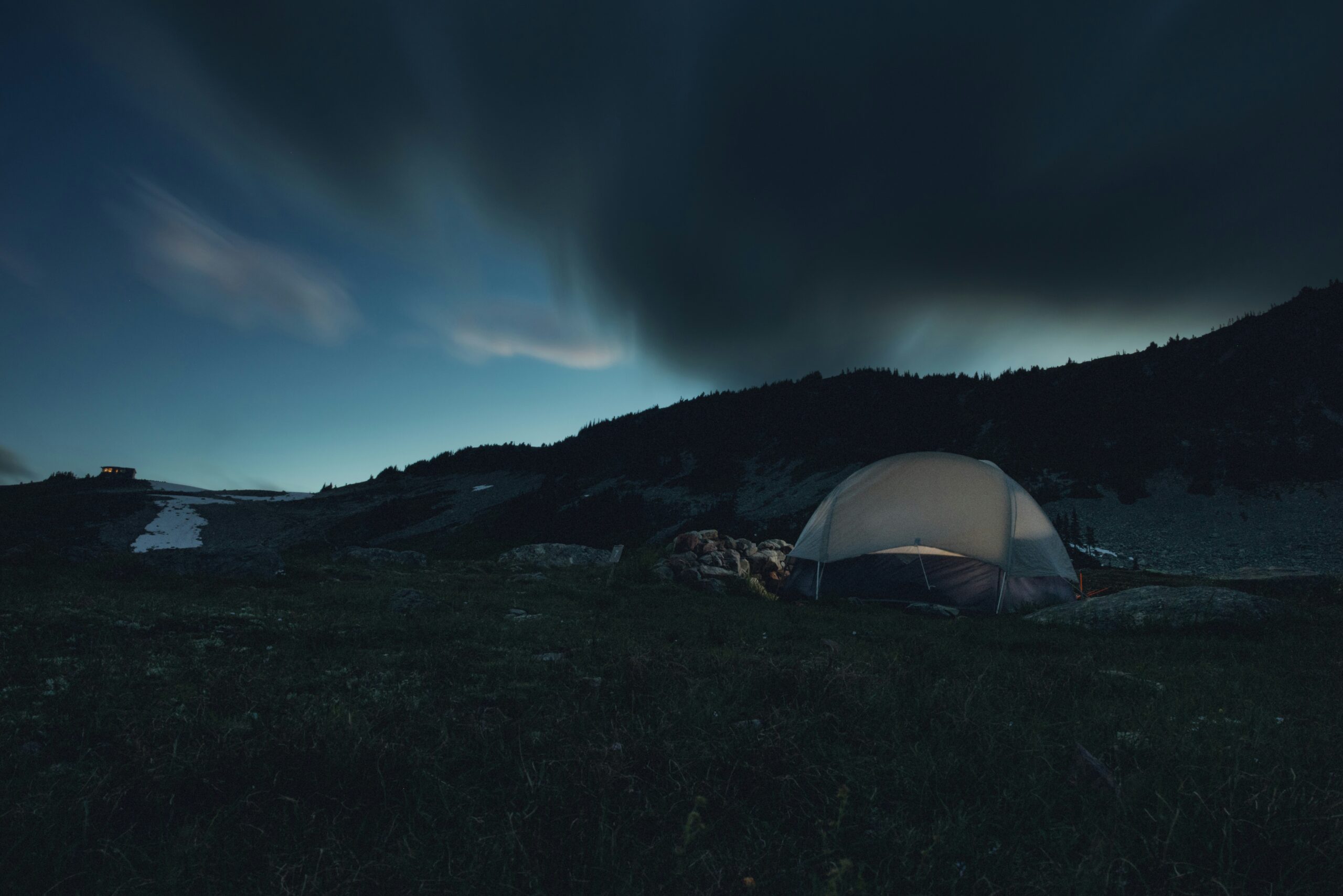
Shelter as a Bastion: A sturdy, freestanding tent is non-negotiable. Sand holds no stakes well, and ocean winds can be punishing. A geodesic or semi-geodesic design offers stability. A full-coverage rainfly and a sand-resistant tent footprint are essential. Consider a tent with a generous, enclosed vestibule—a “mudroom” for shedding sandy shoes and wet gear before entering your sleeping quarters.
-
The Sand Management System: Embrace a two-tiered approach. A large, heavy-duty tarp outside the tent entrance serves as the primary de-sanding zone. Inside, a small hand broom or brush is worth its weight in gold. Store all gear in sealed bags or boxes within your pack. Zip-locked bags become your best friend for protecting cameras, phones, and dry clothes.
-
Hydration with a Twist: Freshwater can be scarce. You must carry all you need or have a proven plan for sourcing it (never drink seawater or from coastal streams affected by tidal backflow). Your water needs may be higher than expected due to sun and wind exposure.
The Campsite: Finding Sanctuary in the Littoral Zone
Selecting a site requires reading the beach like a text. Look for:
-
Elevated ground well above the high-tide line and any storm driftwood piles.
-
Natural windbreaks like dunes, cliffs, or sturdy vegetation, but be mindful of protected ecosystems.
-
Durable surfaces such as compacted sand or grassland, avoiding fragile dune flora.
-
Escape routes in case of rapidly changing weather or tides.
Once established, your camp becomes a watchtower. The views are vast, the air is clear, and the soundtrack is elemental. Cooking a meal with a sunset over the water is an experience that nourishes more than the body.
The Ethics of a Fragile Edge
Coastal ecosystems are exceptionally vulnerable. Your Leave No Trace ethic must be stringent:
-
Carry Out Everything: This includes all trash, food scraps, and especially fishing line and plastics.
-
Protect the Dunes: Use established walkways. Dune grasses hold the sand in place; trampling them causes erosion that can take decades to heal.
-
Respect Intertidal Life: Observe tide pool creatures without disturbing them. Return any overturned rocks to their original position.
-
Minimize Light: Use red-light headlamps at night to avoid disorienting nesting sea turtles or seabirds.
The Unforgettable Reward
Coastal camping offers spectacles found nowhere else: bioluminescent waves sparkling like liquid stars, the dawn mist burning off a mirror-calm sea, the drama of a squall line approaching over the water. It instills a profound sense of scale—the smallness of self against the vastness of ocean, paired with the intimate discovery of a perfect shell or the track of a shorebird.
It is both exhilarating and humbling, a practice in coexisting with a powerful, beautiful, and indifferent force. You learn to plan meticulously but hold those plans lightly, ready to adapt to the sea’s ever-changing mood. In the end, you pack up carrying not just sand in your gear, but the rhythm of the waves in your memory.
4 Coastal-Specific Gear Recommendations
-
E-Z UP Pyramid Sand Shelter: This simple, lightweight canopy uses a central pole and guylines, creating a vast, shaded area immune to soft sand. It provides crucial relief from the relentless sun and wind, serving as a sand-free communal space for cooking and relaxing.
-
Kelty Low-Love Chair: Standard camping chairs sink in sand. The Kelty Low-Love sits just inches off the ground on wide, stable pads, providing a comfortable, secure seat right on the beach. Its low center of gravity makes it perfect for windy conditions.
-
YETI Hopper M30 Soft Cooler: Saltwater, sand, and sun are brutal on coolers. The YETI Hopper’s waterproof, puncture-resistant shell and legendary insulation stand up to the environment. It keeps food cold for days, is easy to clean of sand, and doubles as a durable dry bag for boat trips.
-
Outdoor Research Helium Wind Shell: On the coast, a cold, salt-laden wind can chill you instantly. This ultra-packable, highly wind-resistant jacket is the perfect outer layer. It stashes in its own pocket when the sun is out and provides immediate warmth and protection when the breeze picks up, without the bulk of a full rain jacket.