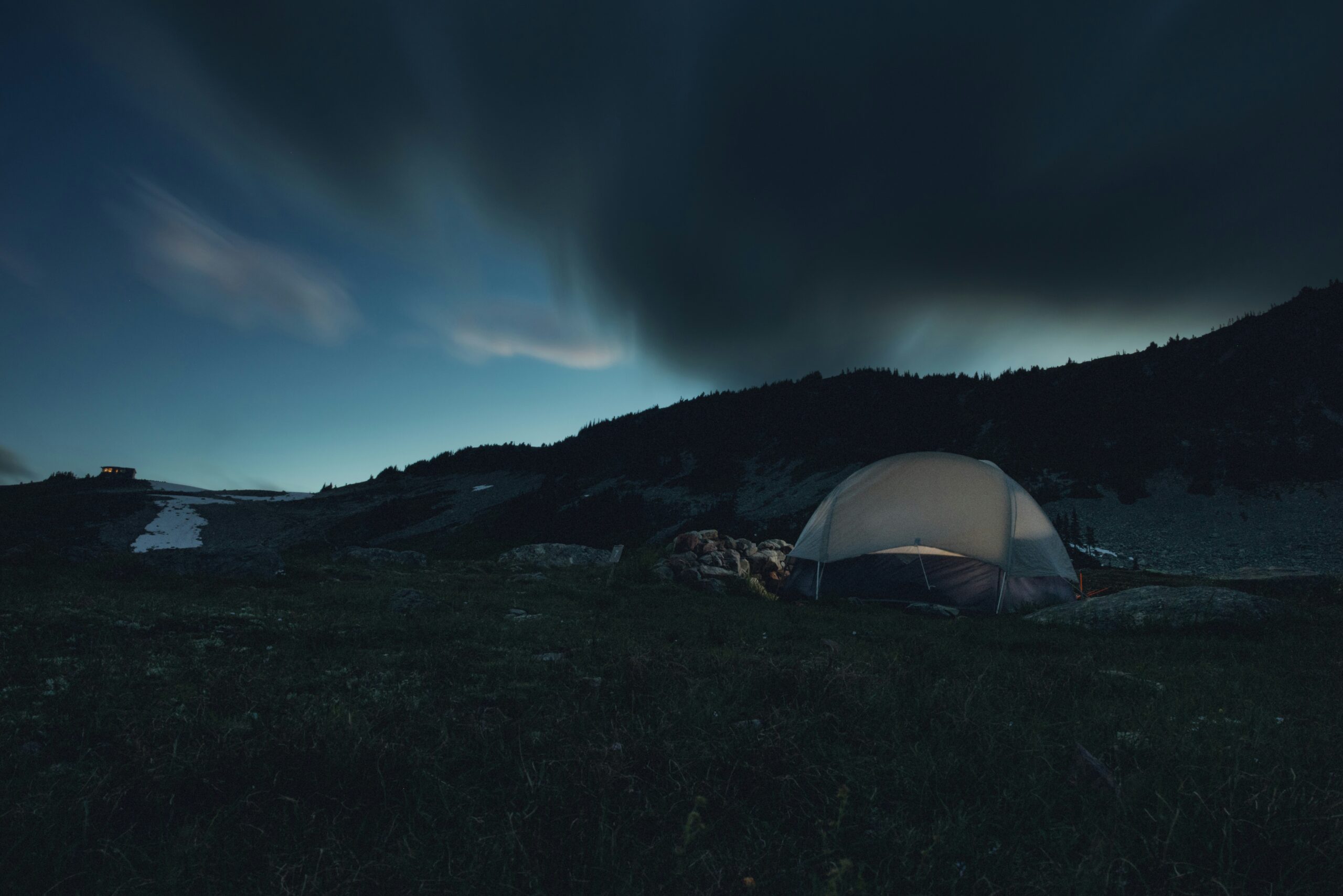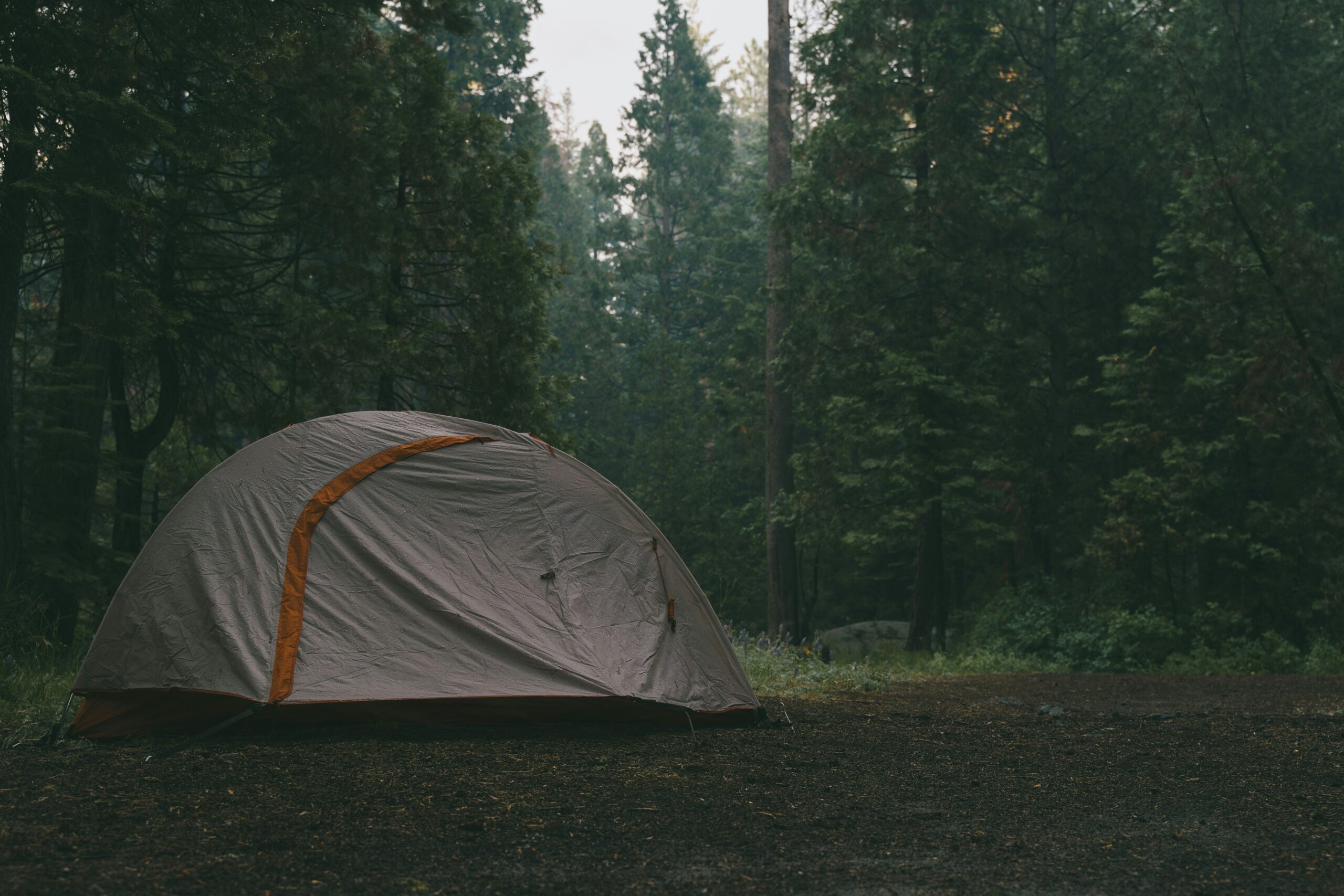
While summer’s campgrounds hum with activity, winter reveals the wilderness in its most elemental form. Winter camping is not merely camping in cold weather; it is a fundamentally different pursuit—an exercise in advanced preparedness, profound quiet, and exquisite beauty. It is for those who find not dread, but deep magic in the crystal clarity of frozen air, the crunch of snow underfoot, and the vast, star-strewn sky of a long polar night.
Embracing the Inhospitable
The first lesson of winter camping is a shift in mindset. You are not fighting the cold; you are learning its rules and adapting to thrive within them. The margin for error shrinks dramatically. Every piece of gear, every decision, from hydration to hygiene, is a critical part of your thermal strategy. This heightened awareness creates an intense focus and a unique sense of accomplishment. The silence is deeper, as snow absorbs sound; the landscapes are transformed, sculpted by wind and ice into new, minimalist forms.
The Science of Warmth: A Layered Existence
Your body is your primary heat source, and your gear is the system that regulates it. Mastery of the layering system is your most vital skill.
-
Base Layer (Moisture Management): Merino wool or synthetic fabrics are essential. They must wick sweat away from your skin relentlessly. Cotton is a death sentence—it retains moisture and steals heat.
-
Mid Layer (Insulation): This is your “warm wear.” A grid-fleece or lightweight down/synthetic jacket provides trapped warmth during active moments. A heavier insulated jacket is for camp stillness.
-
Shell Layer (Protection): A waterproof, windproof, and highly breathable hardshell jacket and pants defend against snow, wind, and wetness. Ventilation zips are crucial to prevent overheating and sweating during exertion.
-
The Sleep System: Your summer bag is insufficient. You need a sleeping bag rated at least 10-15°F lower than the expected low. A sleeping pad with a high R-value (5.0 or above) is non-negotiable to insulate you from the frozen ground. In extreme cold, a closed-cell foam pad underneath your inflatable pad creates a critical thermal barrier.
The Winter Camp: Building a Snow Haven
Site selection is about shelter and safety. Seek natural windbreaks—a cluster of dense trees, a rock face—but be mindful of “widow-makers” (snow-laden dead branches overhead). Avoid low valleys where cold air pools. If the snow is deep and stable, you can sculpt your site:
-
Packing a Platform: Use your snowshoes to stomp down a level, firm area for your tent larger than its footprint. Let it sinter (freeze into a solid platform) for 30 minutes before pitching.
-
The Snow Kitchen: Create a dedicated cooking area with a snow bench and a stable platform for your stove. Never cook inside a sealed tent due to carbon monoxide risk. Use a windscreen to maximize stove efficiency in the cold.
-
Water Discipline: Melting snow is your primary water source. It is incredibly fuel- and time-intensive. Start with a core of liquid water in your pot to speed the process. Insulate water bottles with socks and store them upside down (water freezes from the top) in your sleeping bag at night.
The Unique Rhythms and Hazards
Your pace slows. Everything takes longer—setting up camp, cooking, breaking down. This enforced slowness becomes part of the meditation. Key hazards demand respect:
-
Hypothermia: The insidious killer. Recognize its signs in yourself and others: uncontrolled shivering, slurred speech, clumsiness, confusion. The treatment is immediate rewarming with dry layers, warm drinks, and shared body heat in a dry sleeping bag.
-
Frostbite: Watch for white, waxy, or numb patches on exposed skin (fingers, toes, nose, cheeks). Gently rewarm with skin-to-skin contact; never rub frostbitten tissue.
-
Changing Conditions: Whiteouts, blizzards, and rapid temperature drops can occur. Always have a bail-out plan and be prepared to stay put in your shelter until conditions improve.
The Unmatched Reward: Solitude and Splendor
The rewards are for those who earn them. It is the sight of your breath in a beam of moonlight, the blue glow of a snow cave at dusk, the incredible warmth of a sun-soaked rock in a sea of white. It is the profound quiet, broken only by the crack of a freezing tree. Wildlife tracks tell fresh stories in the snow. The air is sharp and clean.
Winter camping strips life down to its essential comforts: the warmth of a drink, the shelter of a tent, the camaraderie of shared effort against the elements. It teaches resilience, patience, and a deep, reverent appreciation for warmth and light. You return not just from a trip, but from a journey into the stark, beautiful heart of the season itself.
4 Essential Gear Picks for Winter Wilderness
-
MSR Reactor Stove System: In deep cold, standard stoves struggle. The Reactor’s integrated heat-exchanger pot boils water faster than any other, using minimal fuel—a critical advantage when melting snow for hydration. Its stability in wind is unparalleled.
-
Western Mountaineering Versalite 10°F Sleeping Bag: True winter camping demands expedition-grade bags. This bag, filled with premium down, offers an exceptional warmth-to-weight ratio and a functional cut that allows for layering inside without compressing the insulation.
-
MSR Revo Ascent Snowshoes: For travel in deep powder, reliable flotation is key. These asymmetric, modular snowshoes provide aggressive traction on icy slopes and are built for rugged, mountainous terrain, allowing you to access pristine winter campsites safely.
-
OR (Outdoor Research) Crocodile Gore-Tex Gaiters: These expedition-length gaiters are a first line of defense. They seal tightly over your winter boots, preventing snow from entering your boots during trail-breaking or post-holing, keeping your feet dry and critical insulation intact.