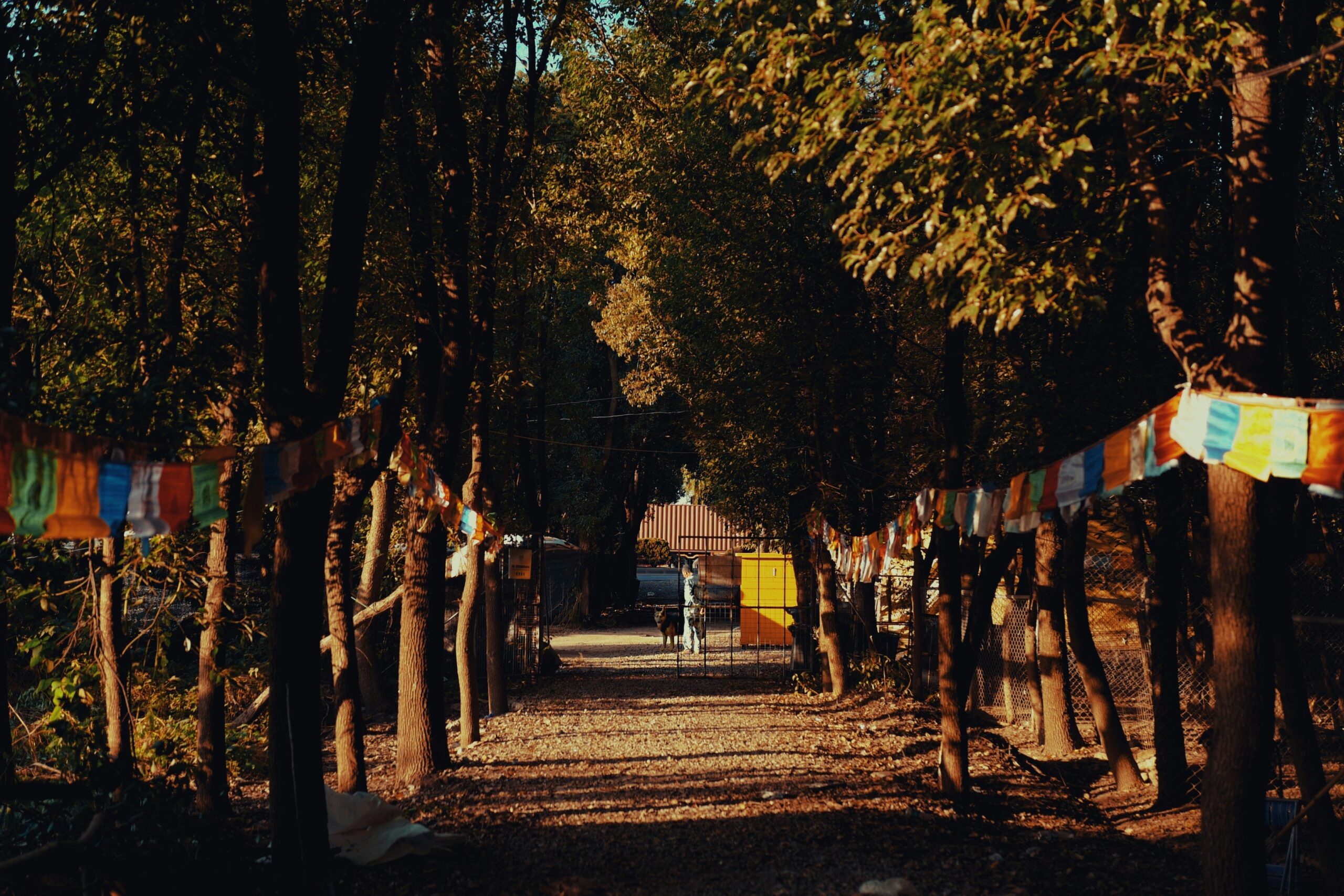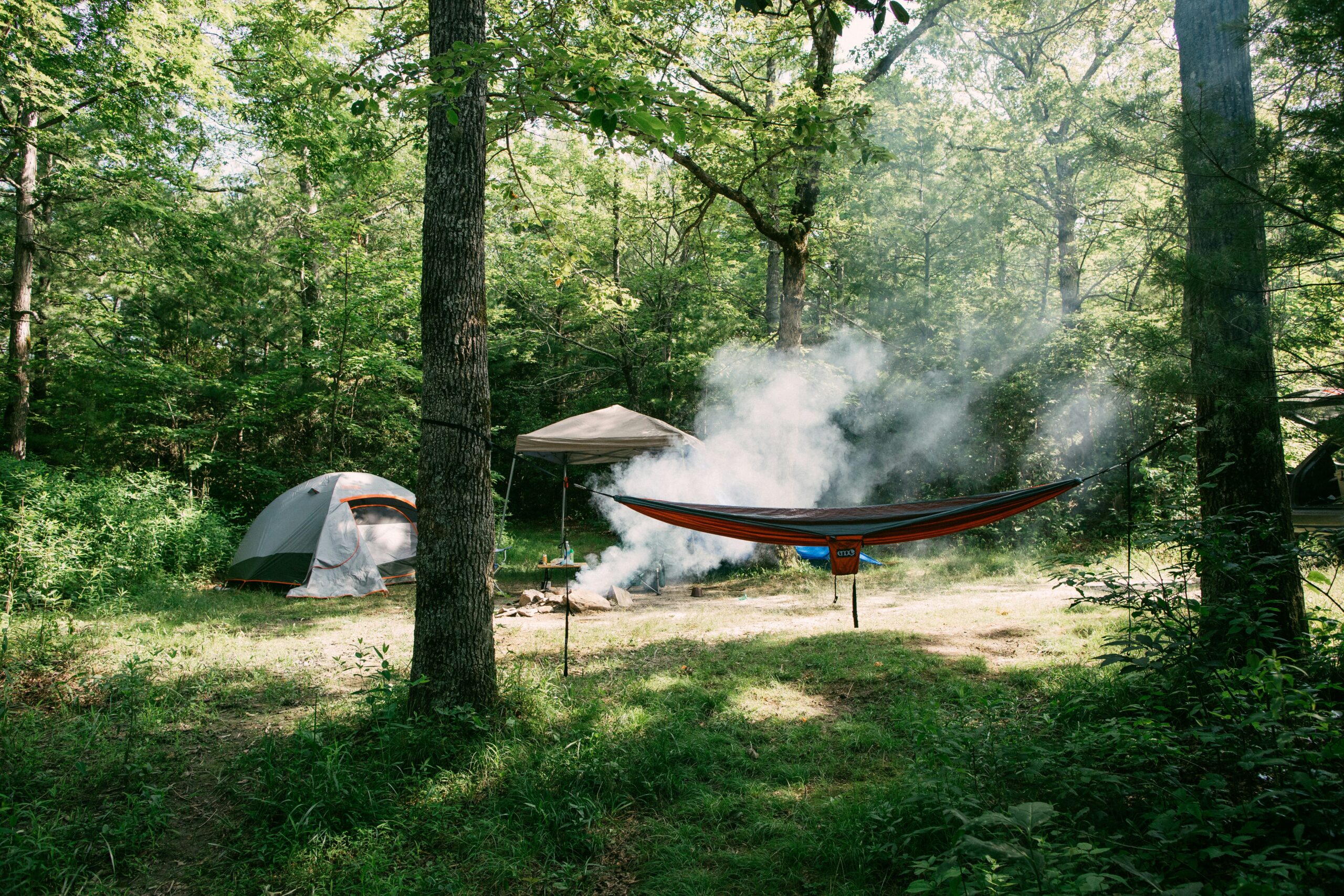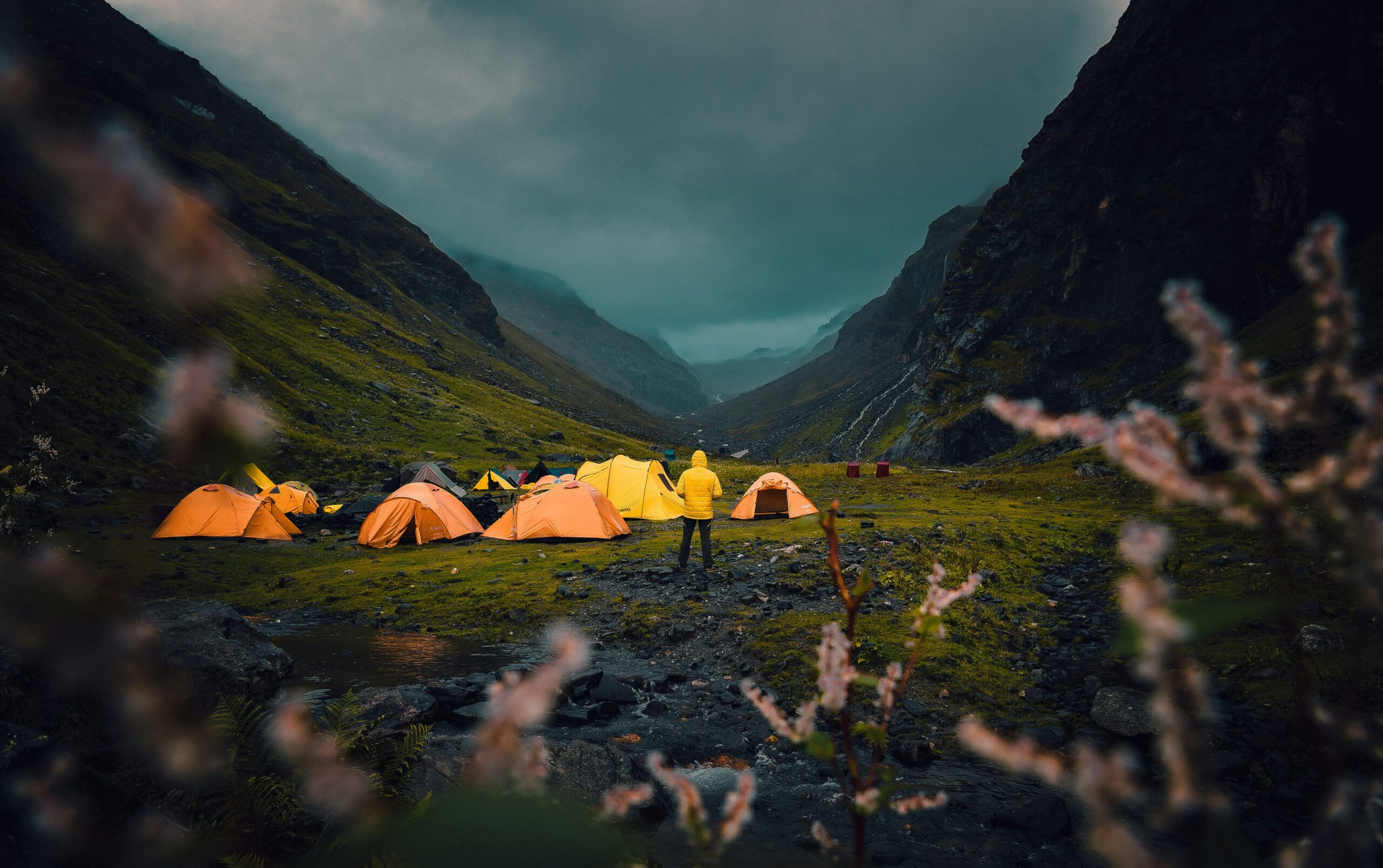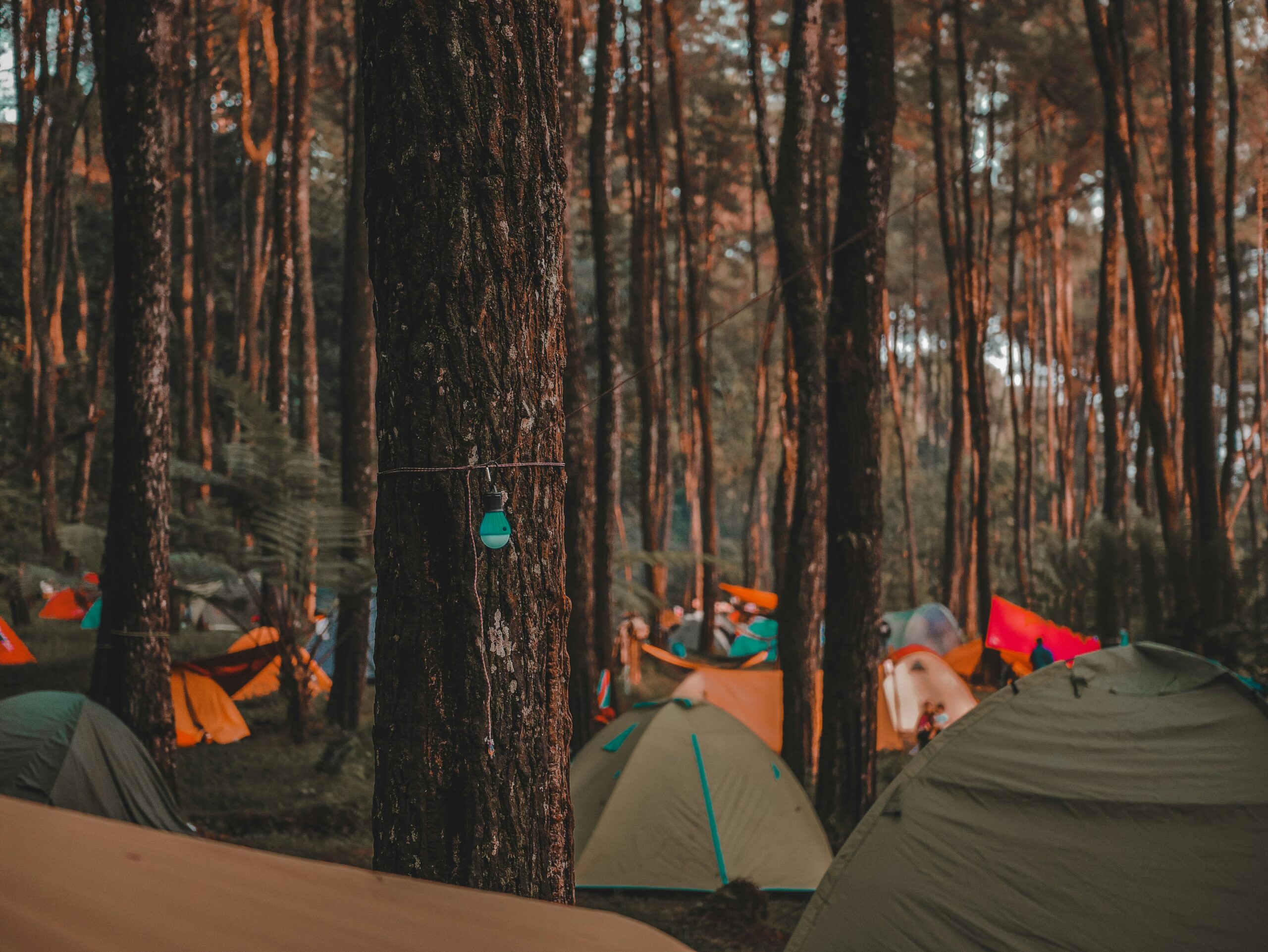
For those who find established campgrounds too tame—where the glow of neighbor’s lanterns intrudes upon the stars and the murmur of strangers’ conversations blends with the wind—there exists a deeper form of wilderness immersion: dispersed camping. Also known as backcountry or wild camping, this practice involves venturing beyond designated sites to find your own solitary niche in the landscape. It is the art of self-reliant dwelling in the raw, unfiltered wild, a practice that rewards preparation with profound solitude and a unparalleled sense of ownership over one’s experience.
The Philosophy of Unmarked Places
Dispersed camping is not merely a logistical choice; it is a philosophical stance. It represents a conscious step away from the curated outdoors and into a realm of greater responsibility and freedom. The goal shifts from “finding a campsite” to “becoming part of the landscape, temporarily and respectfully.” This pursuit of true solitude is about more than privacy; it is about allowing the natural world to function undisturbed around you, offering the chance to witness the routines of wildlife, the unadulterated play of light at dusk and dawn, and the deep, uninterrupted silence that modern life so rarely affords.
However, with this profound freedom comes an equally profound duty. The cardinal rule is to leave the land as though you were never there, or in an even better state. This ethic governs every action, from where you pitch your tent to how you manage your waste. It is a covenant between the camper and the wild.
The Navigator’s Mindset: Finding Your Site
The first challenge—and pleasure—of dispersed camping is navigation and site selection. This requires moving beyond trail apps and into the realm of topographic maps, land management charts, and keen observation.
-
Legal and Ethical Scouting: Always confirm that dispersed camping is permitted in your chosen area (National Forests and Bureau of Land Management lands in the U.S. are often prime candidates). Use mapping tools like CalTopo or GAIA GPS to study terrain, identify public land boundaries, and scout for potential flat areas away from trails and water sources. The ideal site is found, not made.
-
The Perfect Un-Spot: Look for a durable surface—a patch of resilient grass, bare mineral soil, or a sandy clearing—at least 200 feet (70 adult paces) from any lake, stream, or wetland. Seek natural windbreaks like a small stand of trees or a rock formation, but avoid disturbing delicate meadows or vegetation. Your site should be invisible from the trail and from any other potential campers.
The Minimalist’s Pack: Systems, Not Just Gear
In dispersed camping, you are your own complete support system. Your gear list must be comprehensive, but every item must justify its weight through multi-functionality or critical necessity.
-
Shelter & Sleep System: A freestanding or semi-freestanding tent that can handle varied, unprepared ground is key. Pair it with a high-R-value sleeping pad for insulation from the cold earth, and a quilt or sleeping bag rated at least 10°F lower than the expected low temperature. The mountains’ chill is penetrating.
-
Water is Life: Without a spigot in sight, water management becomes a daily ritual. Carry a capacity of 2-3 liters and a robust filtration system. A smart setup combines a Sawyer Squeeze filter for quick, clean drinking water with a CNOC Vecto bladder for easy collection from shallow sources, and a Katadyn BeFree filter as a lightweight backup. Always plan your campsite relative to a known, reliable water source identified on your map.
-
The Kitchen Without a Picnic Table: A compact canister stove, a single pot, a spork, and a lightweight mug are your galley. Meal planning centers on dehydrated foods and one-pot wonders. Every scrap of food waste, including grease, must be packed out. Your “kitchen” should be established on a durable surface at least 200 feet from your tent and your water source.
The Steward’s Practice: Leave No Trace, Made Concrete
Here, Leave No Trace principles are not guidelines but gospel.
-
Travel & Camp on Durable Surfaces: Stick to established trails when hiking in. Your campsite should show no visible impact after you depart.
-
Dispose of Waste Properly: This is paramount. For human waste, dig a cathole 6-8 inches deep and at least 200 feet from water, camp, and trails. Pack out all toilet paper in a dedicated zip-lock bag. All food waste and packaging goes back in your pack.
-
Leave What You Find: Resist the urge to build stone circles, cut branches, or rearrange the landscape. The beauty is in its found state.
-
Minimize Campfire Impact: Often, the wisest choice is to forgo a fire entirely. Use your stove for cooking. If you must have a fire where legal, use an existing fire ring only if present, keep it small, use only dead and downed wood no larger than your wrist, and burn it completely to ash. Drown, stir, and drown again until it’s cold to the touch.
-
Respect Wildlife: Store all food, trash, and scented items in a bear-resistant canister or properly hung ursack. Observe animals from a distance. You are a visitor in their home.
-
Be Considerate of Other Visitors: Your noise, lights, and even your presence should not infringe on others’ wilderness experience. Solitude is the shared resource.
The Intangible Reward
The payoff for this rigor is a quality of experience that borders on the sacred. It is the quiet confidence that comes from self-reliance. It is the deepening twilight where the only transition is from birdsong to the call of owls. It is the morning where your footprints are the only ones in the dew. Dispersed camping redefines comfort, exchanging physical luxury for the profound comfort of belonging, however briefly, to the ancient rhythms of the untamed earth. It is a reminder that the finest rooms are not made with walls, but with horizons.
4 Curated Gear Picks for the Dispersed Camper
-
The Garmin inReach Mini 2: When you venture beyond cell service, this satellite communicator is your lifeline. It enables two-way texting, weather forecasts, and has an SOS function for genuine emergencies. It’s the essential tool for safety and reassurance, allowing you to explore further with greater confidence.
-
Big Agnes Copper Spur HV UL2 Tent: This tent exemplifies the ideal balance for backcountry living: exceptionally lightweight, roomy enough for two with gear, and sturdy enough to handle mountain weather. Its high-volume architecture and dual doors make it a livable, reliable sanctuary after a long day of hiking.
-
BearVault BV500 Bear-Resistant Container: Simpler and more reliable than hanging a bag in many environments, this translucent, hard-sided canister is approved in most bear country. It protects your food absolutely, doubles as a camp seat, and eliminates the nightly anxiety of a proper “bear hang.”
-
EcoFlow River 2 Portable Power Station: For longer trips or when you need to power a camera, satellite communicator, or small light, this compact powerhouse is invaluable. With multiple output ports and efficient solar charging capability, it provides clean, renewable energy without the noise and fuss of a generator, keeping you connected to your essential devices sustainably.