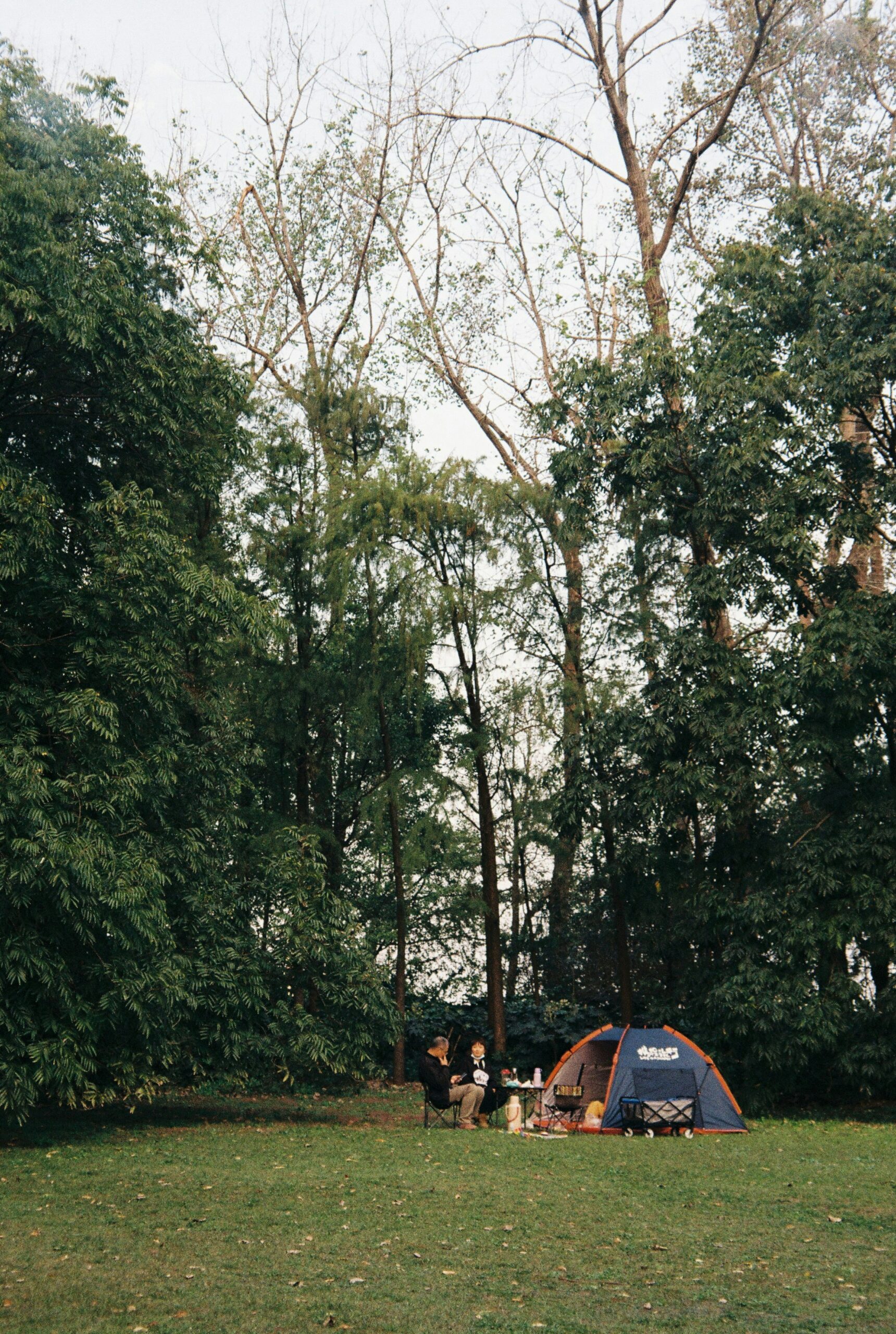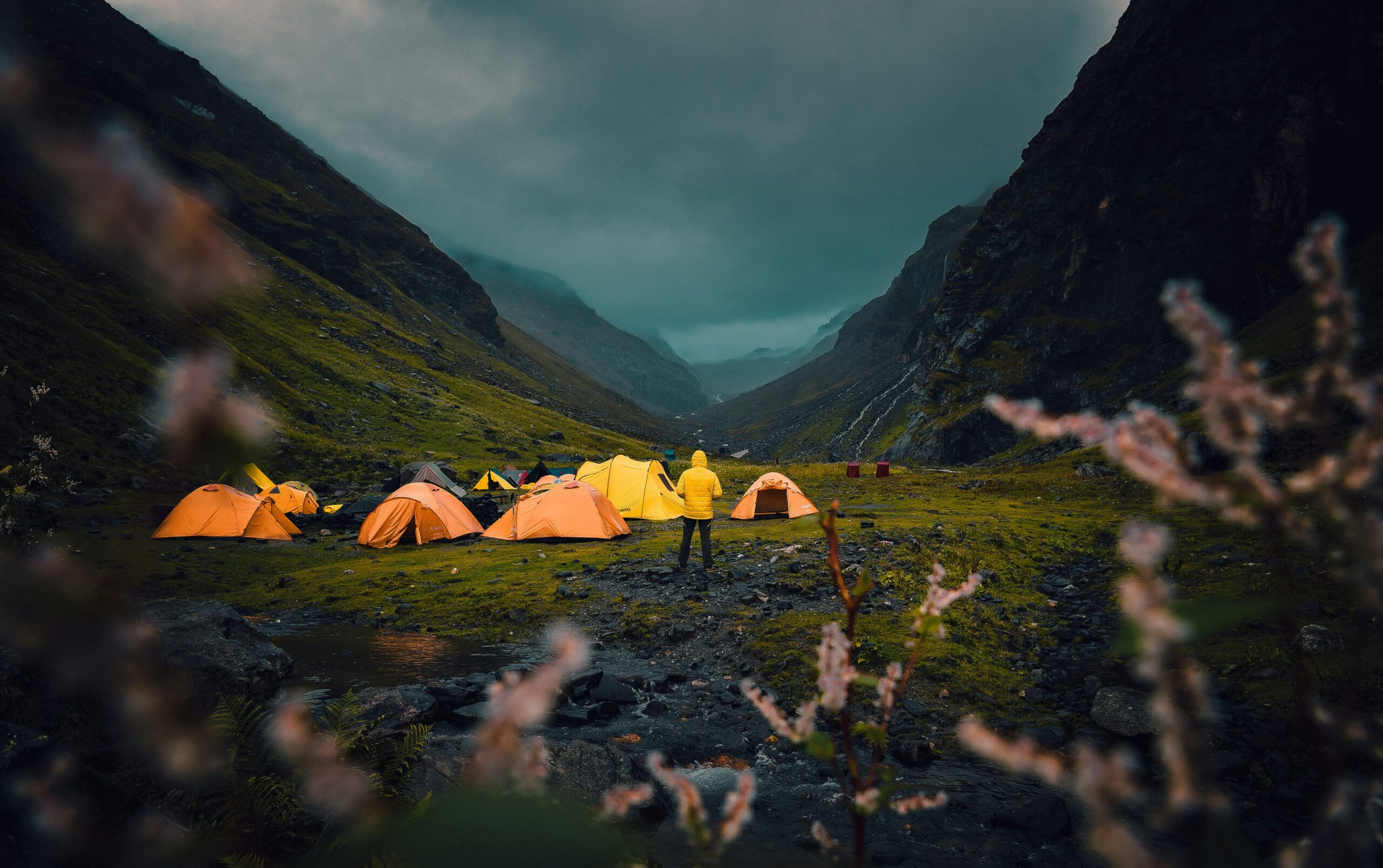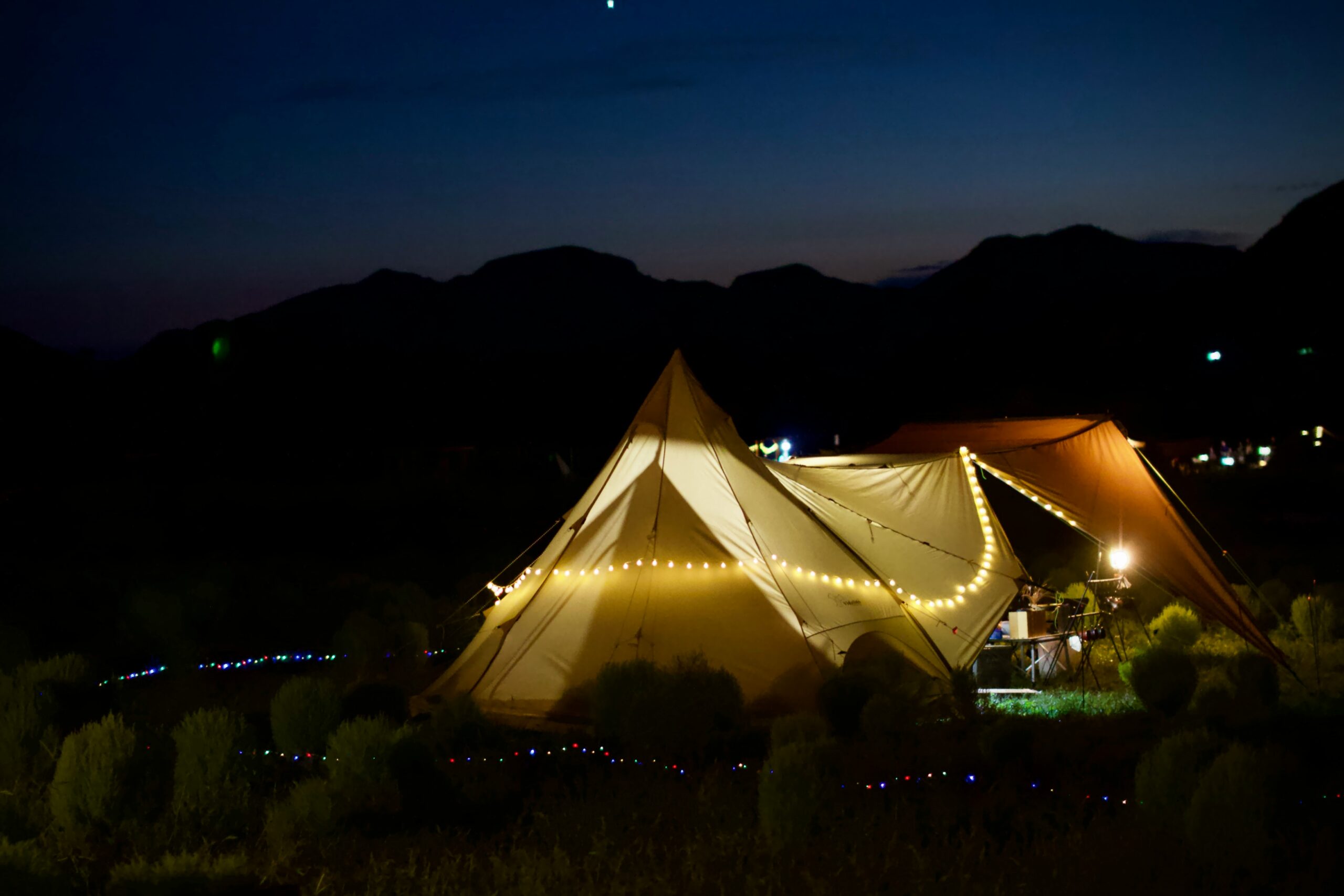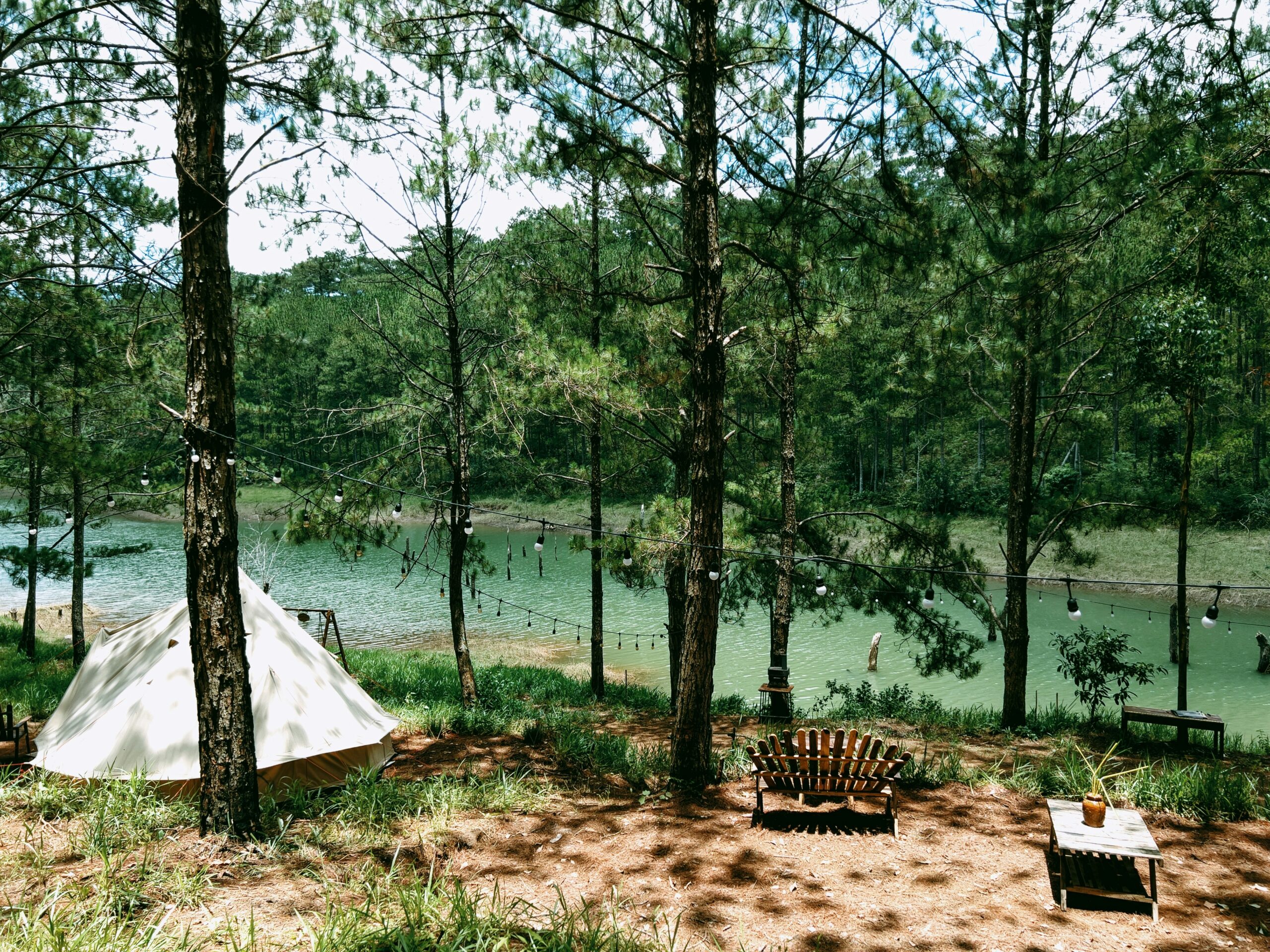
Forest camping offers a one-of-a-kind escape into the heart of nature—where towering trees filter sunlight, birdsong replaces city noise, and the scent of pine and moss fills the air. Unlike campgrounds in open fields or near beaches, forest camping immerses you in a dense, vibrant ecosystem that feels both secluded and alive. Whether you’re seeking solitude, wildlife encounters, or the calming effects of being surrounded by trees, forest camping delivers an experience that connects you deeply with the natural world. This guide will walk you through everything you need to know to plan a safe, comfortable, and memorable forest camping trip, from selecting the right location to adapting to the unique challenges of wooded environments.
First, selecting the perfect forest campsite requires balancing seclusion with practicality. Forests vary widely—from dense temperate woodlands with thick undergrowth to open coniferous forests with towering pines—so consider the type of experience you want. For a truly immersive feel, look for campsites deep within national forests or state parks, where you’ll be surrounded by trees and far from crowded developed areas. Websites like Recreation.gov and Hipcamp are excellent resources for finding forest campsites, with filters for “primitive” (no amenities) or “developed” (with restrooms and water) options. When evaluating a potential site, prioritize:
- Tree density: Avoid areas with overly crowded trees, which can limit tent setup and pose a risk of falling branches during storms. Look for clearings or spots with spaced-out trees that provide shade without overcrowding.
- Drainage: Forest floors can retain moisture, so choose a slightly elevated, level spot to avoid waking up in a puddle after rain. Avoid low-lying areas between trees, which often collect water.
- Proximity to trails/water: A site within walking distance of a hiking trail lets you easily explore the forest, while access to a stream or lake provides water (after purification) and a scenic spot to relax. However, camp at least 200 feet from water sources to protect aquatic ecosystems.
- Wildlife signs: Look for evidence of animals like bear tracks, deer droppings, or claw marks on trees. While wildlife sightings are part of the appeal, avoid camping near animal trails or areas with heavy activity to reduce conflict.
Gear selection for forest camping must account for the unique challenges of wooded environments: limited sunlight, potential moisture, and uneven terrain. Start with shelter: a three-season tent with a sturdy frame and waterproof rainfly is essential—forests can have sudden rain showers, and tree cover won’t always protect you. Opt for a tent with mesh windows to maximize ventilation (critical for reducing condensation in damp forests) and keep out mosquitoes and other insects. A tent footprint is non-negotiable to protect the bottom of your tent from sharp twigs, rocks, and damp ground.
For sleeping, a warm sleeping bag rated for 20-30°F (-6 to -1°C) is ideal—forests are often 10-15 degrees cooler than open areas, even in summer. Pair it with an inflatable sleeping pad with a high R-value (3.0 or higher) to insulate against the cold, damp ground. Clothing should follow the layering principle, with a moisture-wicking base layer (merino wool works well for odor resistance), an insulating mid-layer (fleece or down), and a waterproof, windproof outer layer. Pack waterproof hiking boots with aggressive tread to navigate uneven, potentially muddy forest trails, and bring a hat and gloves for cool mornings and evenings.
Other forest-specific gear essentials include:
- Headlamp with red light mode: Forests get dark quickly, and a bright headlamp is essential for navigating campsites and trails after sunset. The red light mode preserves night vision and won’t disturb wildlife.
- Bug repellent: Mosquitoes, ticks, and blackflies thrive in forest environments. Choose a repellent with DEET (20-30% concentration) for long-lasting protection, or natural alternatives like picaridin or lemon eucalyptus oil. For ticks, tuck pants into socks and wear light-colored clothing to spot them easily.
- Portable water filter/purifier: While streams and lakes in forests may look clean, they often contain bacteria (like giardia) or parasites. A lightweight filter or purifier (such as the MSR Guardian or Sawyer Mini) will keep you safe.
- Multi-tool and paracord: Useful for cutting rope, opening packages, or making emergency repairs. Paracord can also be used to hang gear from trees (to keep it away from animals) or set up a tarp for extra shelter.
- Camp chair with a canopy: A portable chair with a built-in canopy provides shade and protection from rain while you relax at your campsite—perfect for reading or enjoying a meal surrounded by trees.
Adapting to forest life means embracing the rhythm of nature and taking steps to coexist with wildlife. The most important rule is to store food and scented items securely to avoid attracting animals like bears, raccoons, or squirrels. Use a bear canister (required in many national forests) or hang food from a tree at least 10 feet high and 4 feet away from the trunk—this prevents animals from reaching it. Never store food, trash, or scented items (like toothpaste or sunscreen) in your tent; keep them in a bear canister or hung bag at least 100 yards from your sleeping area.
Fire safety is also critical in forest environments, where dry leaves, twigs, and pine needles can ignite quickly. Check local fire restrictions before your trip—many forests ban fires during dry seasons to prevent wildfires. If fires are allowed, use the designated fire ring (if available) or build a small fire pit by clearing a 10-foot radius of all flammable material. Keep the fire small and manageable, and never leave it unattended. Have a bucket of water or a fire extinguisher nearby, and fully extinguish the fire before going to bed or leaving the campsite—stir the ashes and pour water until they’re cool to the touch.
One of the greatest joys of forest camping is exploring the ecosystem around you. Plan activities that let you engage with the forest:
- Hiking: Follow marked trails to discover waterfalls, viewpoints, or unique tree species. Bring a field guide to identify plants, birds, and insects—forests are teeming with biodiversity.
- Birdwatching: Early mornings are the best time to spot woodpeckers, warblers, and other forest birds. Bring binoculars and listen for their calls.
- Foraging (with caution): Many forests have edible mushrooms, berries, or nuts, but only forage if you’re an expert—misidentifying plants can be dangerous. Stick to photographing wild edibles instead of consuming them.
- Stargazing: While tree cover may limit visibility, clearing patches or open areas in the forest can offer stunning views of the night sky, with fewer light distractions than urban areas.
- Quiet reflection: Bring a journal or book and spend time sitting quietly—forest camping is a chance to disconnect from technology and reconnect with your thoughts and the natural world.
Finally, practicing Leave No Trace principles is vital to preserving forest ecosystems for future generations. Pack out all trash, including food scraps, and dispose of human waste properly (use designated restrooms or a portable toilet, and bury waste at least 6-8 inches deep and 200 feet from water). Avoid damaging trees by not hammering nails into them or hanging gear from fragile branches. Stay on marked trails to prevent erosion, and leave natural objects (like rocks, leaves, or pinecones) where you find them—they’re part of the forest’s ecosystem.
Forest camping is more than just a trip—it’s an opportunity to slow down, breathe in fresh air, and experience the tranquility of nature. By choosing the right site, packing the proper gear, and respecting the environment, you’ll create memories that last a lifetime. Whether you’re listening to the rustle of leaves in the wind, spotting a deer darting through the trees, or simply enjoying a quiet meal by the fire, forest camping reminds us of the beauty and importance of protecting our natural spaces.
Recommended Forest Camping Gear:
- Big Agnes Copper Spur HV UL2 Tent: Lightweight, spacious, and waterproof with excellent ventilation—perfect for forest environments. The high-volume design provides headroom, and mesh windows keep bugs out.
- Thermacell MR300 Mosquito Repeller: Portable, battery-powered repeller that creates a 15-foot zone of protection from mosquitoes and ticks—ideal for forest campsites where bugs are prevalent.
- Sawyer Mini Water Filtration System: Compact, lightweight filter that removes bacteria and protozoa from water sources—essential for forest streams and lakes.
- Helinox Chair One XL: Portable, comfortable camp chair with a low profile that works well on uneven forest ground. It’s lightweight and packs down small, making it easy to carry on hikes.