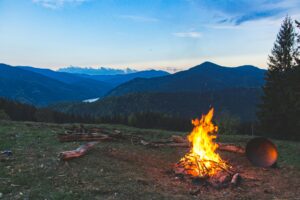
Mountain camping offers an unparalleled opportunity to connect with nature’s raw beauty, where towering peaks challenge your spirit and crisp air invigorates your soul. Whether you’re a seasoned hiker or a novice adventurer, the mountains provide a canvas for unforgettable experiences. In this article, we’ll delve into the essentials of mountain camping, from preparation and gear selection to safety tips and the sheer joy of waking up to panoramic vistas.
First, let’s talk about preparation. Planning a mountain camping trip requires meticulous attention to detail. Start by researching your destination. Popular spots like the Rocky Mountains in Colorado or the Alps in Europe offer diverse terrains, but each comes with unique challenges such as altitude sickness or unpredictable weather. Check weather forecasts from reliable sources like the National Weather Service, and always have a backup plan. Pack layers of clothing because temperatures can drop dramatically at night, even in summer. Wool base layers, fleece mid-layers, and waterproof jackets are indispensable.
Navigation is crucial in mountainous areas where trails can be steep and confusing. Invest in a good GPS device or app like Gaia GPS, and carry physical maps as backups since cell service might be spotty. Learn basic orienteering skills – understanding contour lines on maps can help you anticipate steep ascents or descents. If you’re going solo, inform someone of your itinerary and expected return time.
Now, onto setting up camp. Choosing the ri
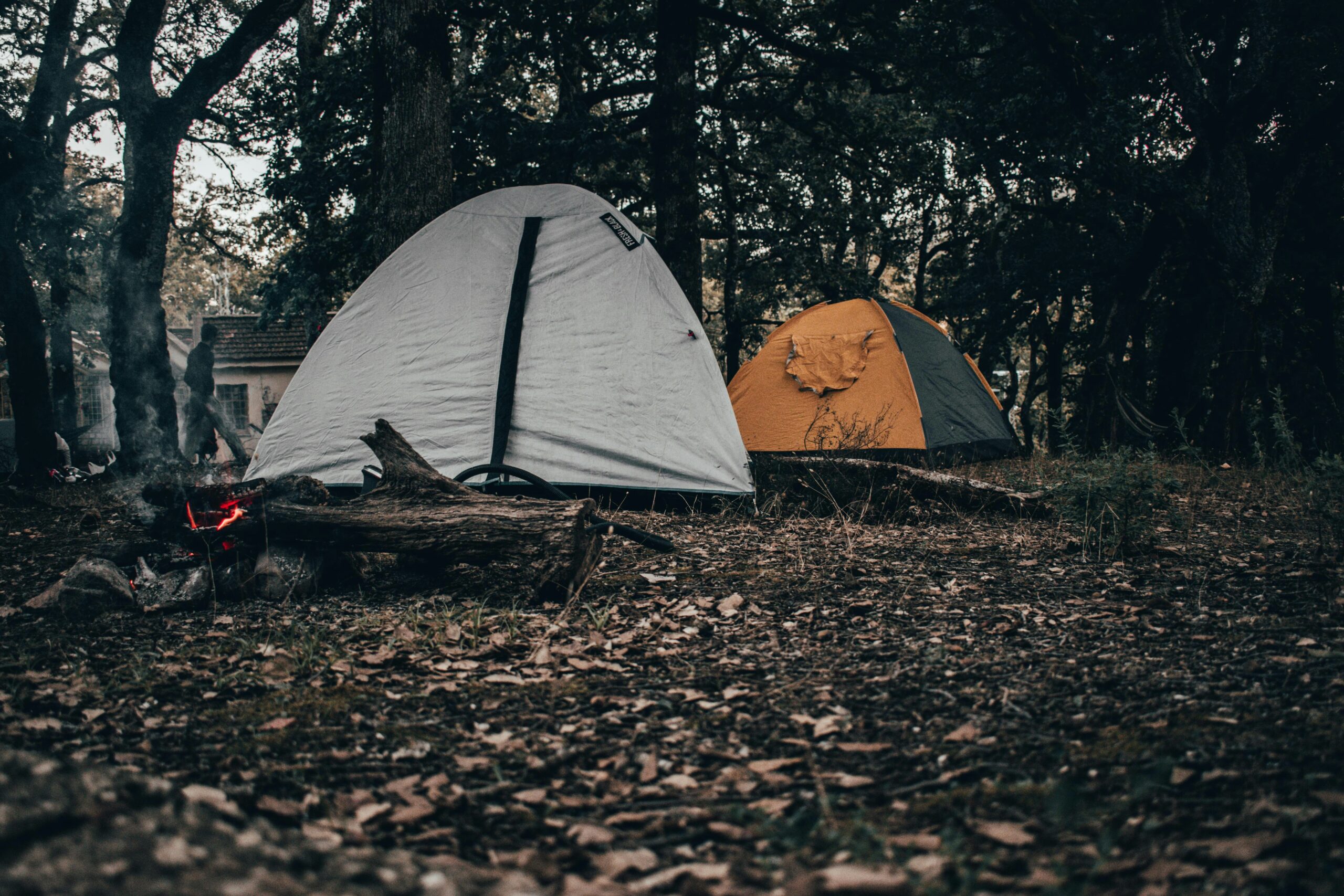
ght campsite is key. Look for flat ground away from potential hazards like falling rocks or flash flood zones. In bear country, such as parts of Yellowstone, follow Leave No Trace principles: store food in bear-proof containers hung from trees. Pitch your tent with the door facing away from prevailing winds to minimize drafts.
Cooking in the mountains can be a delight. Portable stoves like the Jetboil Flash allow for quick meals without the risk of open fires, which are often banned in dry seasons to prevent wildfires. Opt for lightweight, high-calorie foods: dehydrated meals, nuts, and energy bars. Hydration is vital; carry a water purification system like the Sawyer Squeeze to treat stream water, as giardia is a common concern.
The allure of mountain camping lies in the activities. Hiking to summits rewards you with breathtaking views. For example, summiting Mount Whitney in California requires permits and physical conditioning, but the sense of accomplishment is immense. Rock climbing, if you’re equipped, adds thrill – always use proper harnesses and helmets. Stargazing is another highlight; high elevations mean less light pollution, offering clear vie
ws of the Milky Way.
Safety cannot be overstated. Altitude sickness affects many above 8,000 feet; symptoms include headaches and nausea. Acclimatize gradually, and descend if symptoms worsen. Watch for hypothermia – wet clothes in cold winds are dangerous. Carry a first-aid kit with blister treatments, pain relievers, and emergency blankets.
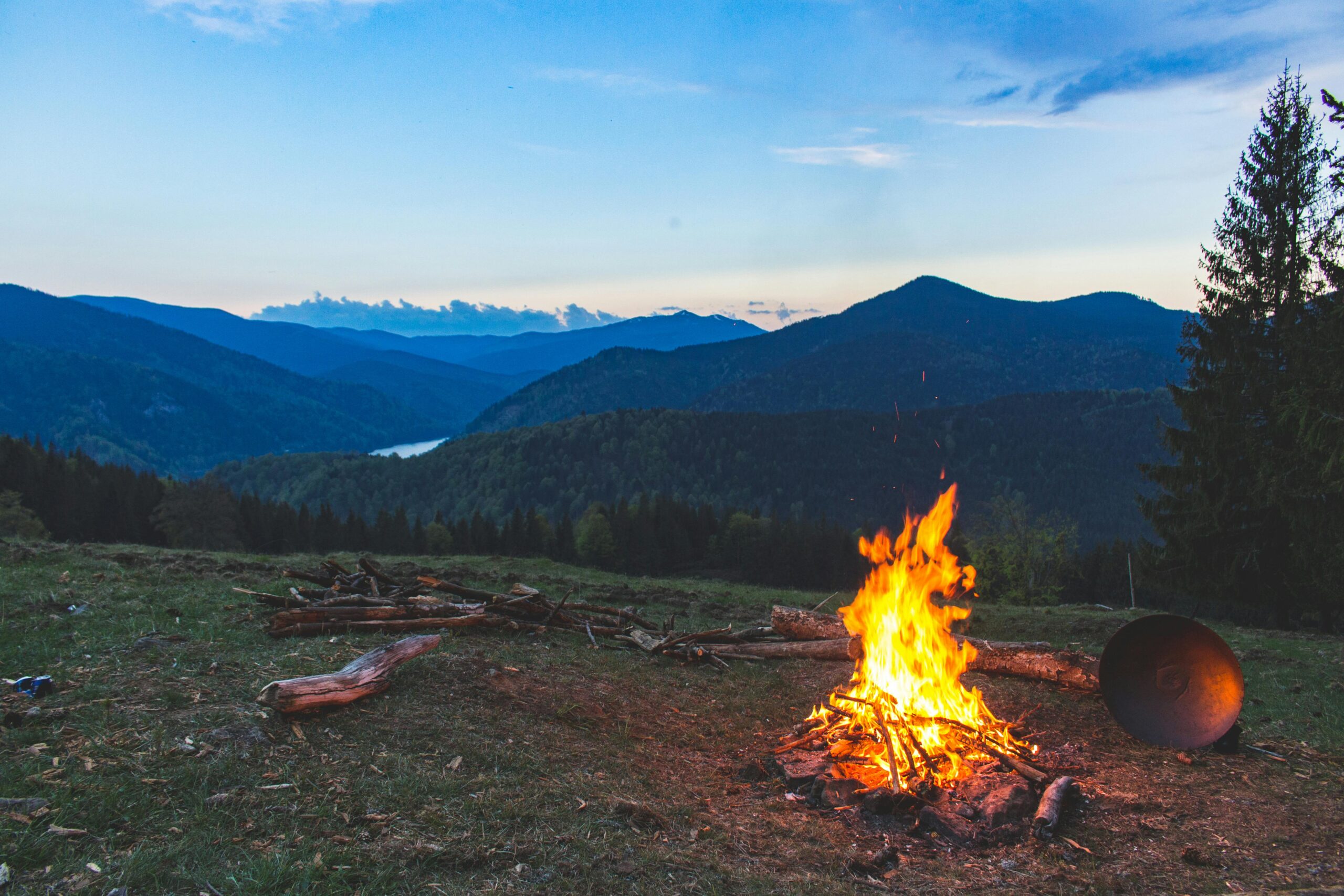
Beyond physical aspects, mountain camping fosters mental well-being. The solitude allows for reflection, reducing stress and enhancing mindfulness. Studies from the American Psychological Association show that nature immersion boosts mood and creativity. Sharing stories around a campfire (where permitted) builds bonds with fellow campers.
Environmental conservation is essential. Overuse can erode trails and disturb wildlife. Support organizations like the Sierra Club, which advocate for protected lands. Volunteer for trail maintenance to give back.
In conclusion, mountain camping is a transformative experience that tests limits and rewards with serenity. With proper preparation, it becomes accessible and enjoyable for all.
Recommended Camping Gear:
- REI Co-op Half Dome SL 2+ Tent: Lightweight and durable, perfect for mountain winds with excellent ventilation.
- Black Diamond Storm 400 Headlamp: Reliable lighting for early mornings or night hikes, with 400 lumens.
- Osprey Talon 22 Backpack: Ergonomic daypack for carrying essentials on trails, with hydration compatibility.
- Therm-a-Rest NeoAir XLite Sleeping Pad: Ultralight insulation for cold mountain nights, packs small.