While most camping grounds us in a single place, canoe camping introduces a unique rhythm: the gentle, persistent cadence of movement. It is not about conquering a peak, but about flowing with a waterway—a form of travel where the journey and the destination are seamlessly woven into each day’s paddle and each night’s shoreline camp. This is wilderness travel at its most graceful, offering access to a world hidden from trails and roads.
A Different Pace, A Different Perspective
Canoe camping fundamentally shifts the relationship between effort and reward. The physical labor is rhythmic and whole-bodied, engaging arms, core, and awareness rather than just the legs. It allows you to cover significant distance while carrying a level of comfort and provision impossible on a backpacker’s back—the canoe itself is your pack mule.
More importantly, your viewpoint is from the center of the landscape, not the edge. You witness the slow unfurling of riverbanks, the intimate life of wetlands, and the grand approach to distant headlands from the water. Wildlife observation is unparalleled: a moose feeding in a lily-choked bay, an otter slipping off a log, an eagle spiraling overhead. You are a quiet participant in the aquatic corridor.
The Art of the Waterborne Kit
Packing for a paddle trip is a 3D puzzle governed by two principles: balance and dryness. Weight is less critical than in backpacking, but distribution is everything. A poorly loaded canoe is sluggish and unstable.
-
The Dry Bag Hierarchy: Everything goes in multiple waterproof systems. Use colored bags for organization: blue for kitchen, green for food, red for emergency gear. Critical items like sleeping bags and clothing get a double layer—inside their own dry bag, then inside a pack liner. A canoe barrel is the gold standard for bear-proof food storage and doubles as a flotation device.
-
The “Camp” and “Travel” Division: Pack your daily essentials—rain gear, lunch, water filter, camera—in a small daypack or waterproof sack at your feet. Your larger dry bags, containing camp gear, are stowed amidships, trimmed for a level gunwale.
Reading the Water, Choosing the Shore
Navigation is a continuous, engaging dialogue with the map and the environment. You must account for wind direction (a headwind can stop progress more than any hill), current, and potential hazards like sweepers or rapids (always scout from shore if unsure).
Selecting a campsite is a daily treasure hunt. Look for:
-
A protected landing with easy water access.
-
Durable surfaces above the high-water line (to avoid being flooded by a passing boat’s wake or a sudden level change).
-
Good drainage and natural windbreaks.
-
Adherence to regulations, as many pristine shorelines have specific no-trace requirements.
Once landed, the canoe is pulled fully ashore and secured. Your world now extends in two directions: into the woods of your camp, and back to the vastness of the water.
The Rhythm of Lakeside Living
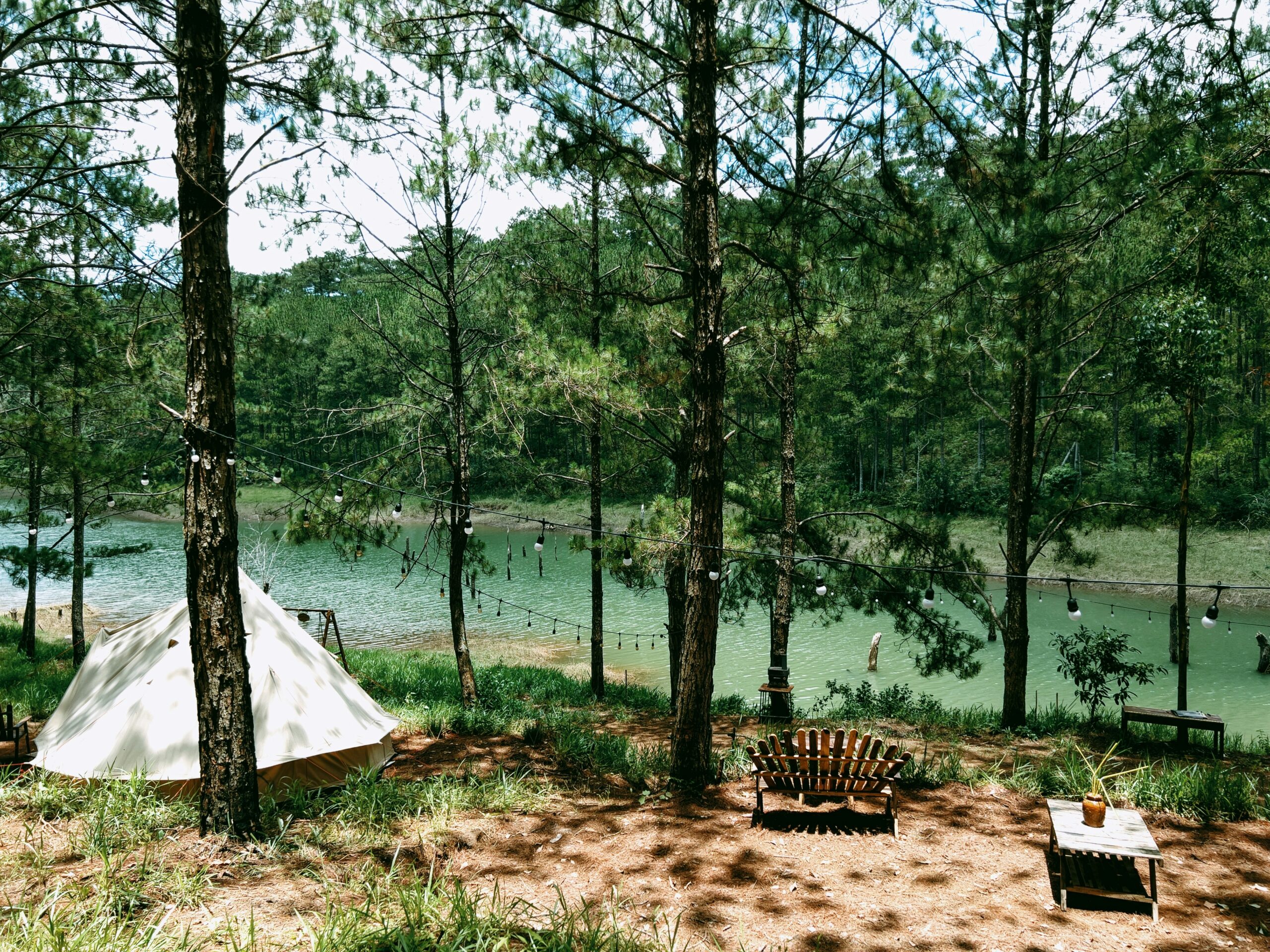
Camp life by the water has its own rituals. Water is gathered directly from the lake (filtered, of course), often making dinner with a view of the sunset reflecting off the very water you’re drinking from. Evenings are spent listening to loon calls across the bay, not the rustle of rodents in the underbrush. The worry of rain is tempered by the knowledge that you can always pack a wet camp into dry bags and move on.
The Deeper Current
Canoe camping teaches fluidity—in both planning and spirit. Weather, wind, and water conditions dictate the day’s progress. This enforced adaptability is a lesson in letting go. There is a profound meditation in the dip-and-pull of the paddle, in watching the wake fan out behind you, connecting you to the ancient human practice of following waterways. It is travel that feels less like transit and more like a conversation with the landscape itself.
4 Specialized Pieces for Canoe Camping
-
Watershed Ocoee Dry Bag (Size: Chattooga): Unlike roll-top bags, Watershed’s patented ziplock-style closure is 100% submersible and incredibly durable. Its rigid structure makes packing and organizing in the curved hull of a canoe far easier, and its absolute reliability is worth the investment.
-
NRS Boundary Boots: Essential for wet landings and protecting your feet. These amphibious boots drain quickly, have a sturdy sole for portage trails, and provide warmth and protection from rocks and snags without the bulk of a full wetsuit boot.
-
Eureka! Canopy Kit for Sunrise/Moonshine Tents: This simple add-on creates a covered vestibule over your tent’s entrance. It’s a game-changer in rainy weather, providing a dry space to remove muddy boots and rain gear before entering your sleeping sanctuary.
-
C-Tug Kayak & Canoe Cart: For those inevitable portages or long carries from the parking lot to the put-in, a sturdy cart transforms a back-breaking haul into a manageable walk. The C-Tug is robust, breaks down for stowage in the canoe, and handles rough terrain well.