About US
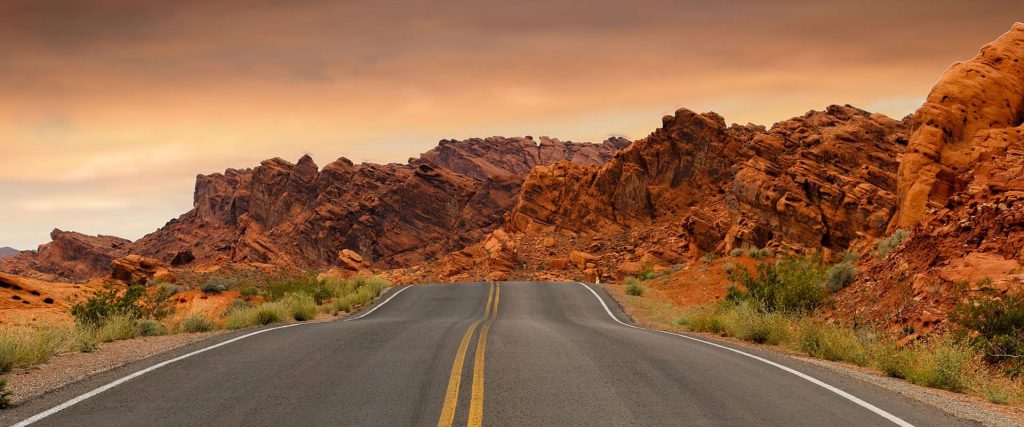
About : A Camper Navigating Between Wilderness and Study
Hello, I am Horace Yang.
If a PhD taught me how to systematically deconstruct a complex theory, then nearly two decades of wilderness camping have taught me how to humbly face a nature that cannot be deconstructed.
My story began under the fluorescent lights of a laboratory but has since extended into the morning mist of forests, beneath the starlight of mountain ridges, and within the boundless silence of deserts. I am a researcher in [Your Field, e.g., Ecology, Human Geography, Environmental Psychology], but here, I prefer to call myself a “field note taker.”
Why This Blog Exists
Because I am deeply convinced that the most profound understanding often occurs at the intersection of theoretical knowledge and the feel of soil beneath your hands. Academic papers explain the mechanisms of ecosystems but struggle to convey the sense of connection that suddenly hits you beside a campfire—when you actually lie on the forest humus, you understand the carbon cycle is more than arrows on a chart; when you struggle to boil water at high altitude, you grasp the relationship between air pressure and boiling point intuitively.
This blog is my “other set of field notes.” It does not chase viral trends or extreme feats. It is dedicated to sharing a mindset of “thoughtful immersion.” Here, you will find:
-
Research-Informed Guides: How can principles from environmental psychology help you choose a campsite that truly restores energy? From a materials science perspective, which tent fabric is optimal for volatile coastal climates?
-
Philosophical Outdoor Reflections: How can a simple overnight trip become a practice against time anxiety? Why does the “inconvenience” of the wild generate a focus稀缺 in modern life?
-
Rigorous Gear Logic: We do not review trendy items, but rather optimal systems within specific environmental constraints (weight, volume, durability, reliability). Every recommendation is backed by principles of engineering or ergonomics.
-
A Gentle Responsibility to “Place”: How can we be not just users of nature, but its keen interpreters and careful stewards? This is as much about ecology as it is about ethics.
My Camping Philosophy
I am drawn to campsites that quietly blend into the landscape, not those that conquer it. I believe the best gear is what you forget you’re wearing, allowing your mind and body to fully immerse in the shifts of wind, light, and scent. I see Leave No Trace not as a set of rules, but as a grammar for conversing with nature—a grammar of minimal intervention and maximal respect.
An Invitation to Journey Together
So, whether you are setting up a tent for the first time or have worn out numerous pairs of trekking poles, I welcome you to pause here.
You can think of me as a “guide”—not the kind that points the way, but the kind who might occasionally indicate:
“Look, the pattern of this moss tells us this is a damp north-facing slope,”
or,
“Tonight, let’s face our chairs west. In an hour, the valley will swallow the last of the sunlight.”
Let us temporarily leave behind the abstract structures of the mind and return to the primordial origin of all things—the earth itself. There is no Wi-Fi there, but the connection has never been more steadfast.
[Horace Yang]
Between the Study and the Wild