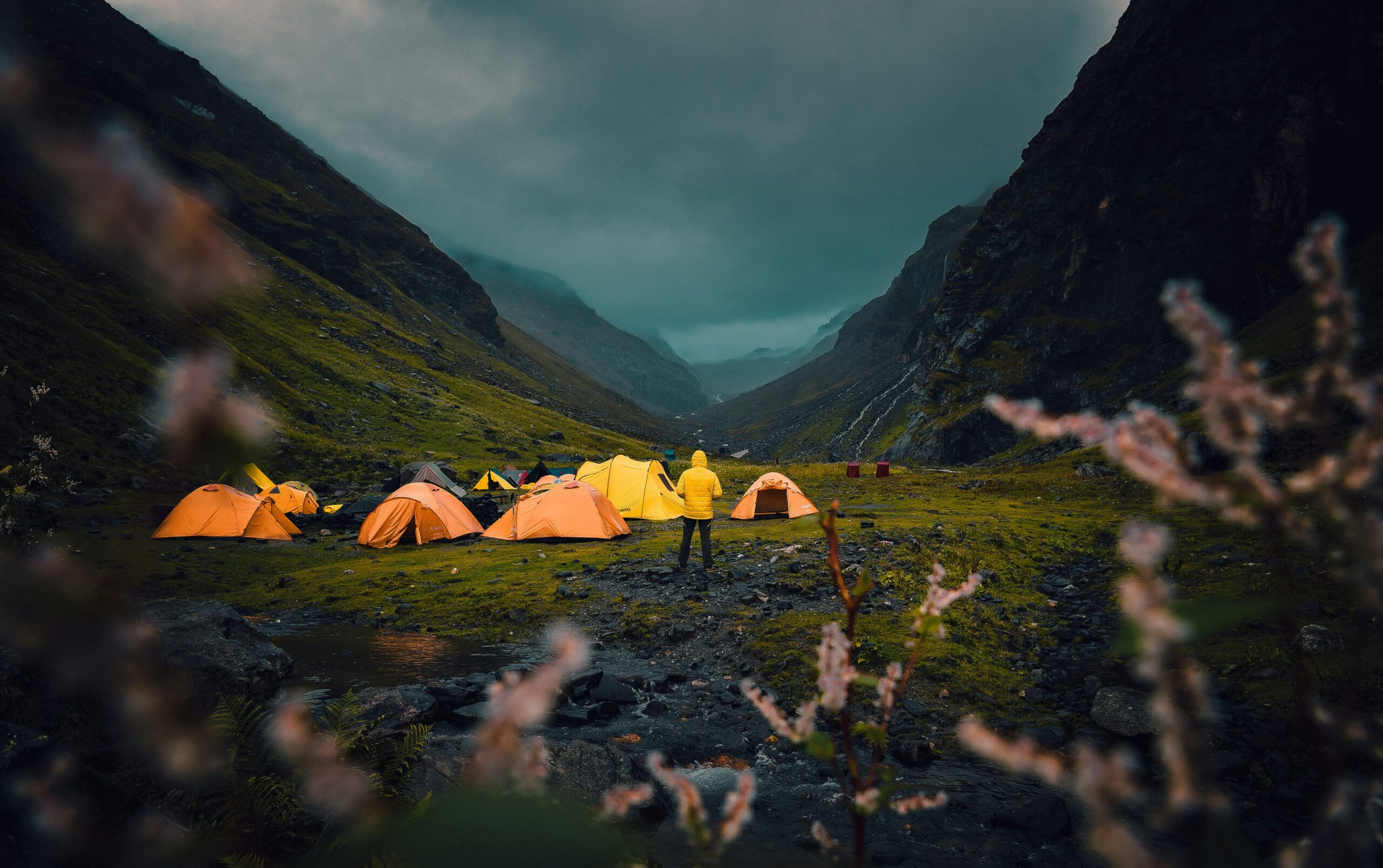
There is a profound silence found only in the mountains, a silence so deep it echoes. It arrives after the last zip of the tent, the final crackle of the settling campfire. This is not mere absence of sound, but a presence—of ancient rock, whispering pines, and one’s own thoughts, uncluttered. Mountain camping is more than an outdoor activity; it is a pilgrimage to simplicity, a challenging yet rewarding dialogue with the untamed world. It calls not to the faint of heart, but to those who seek perspective, resilience, and the raw beauty of earth’s grandest landscapes.
The Allure of the High Country
Why leave the comfort of a warm bed for the hard, often cold ground? The answer lies in the rewards that are felt, not just seen. Waking at dawn to a sea of clouds lapping at distant peaks like a silent, slow-motion tide is a spectacle no hotel window can frame. The physical exertion of the climb—the burn in your legs, the steady rhythm of your breath—culminates in a summit view that feels earned, not given. This connection to effort and outcome is primal and deeply satisfying.
Furthermore, the mountains offer a masterclass in mindfulness. In an environment where weather can change in an instant and every step matters, you are pulled completely into the present. The mental clutter of daily life—emails, notifications, to-do lists—fades into irrelevance, replaced by immediate, essential questions: Is my gear dry? Where is the next reliable water source? Is that a coming storm? This enforced focus is a form of mental cleansing, leaving space for clarity and creativity.
Preparation: The Cornerstone of Safety and Enjoyment
Venturing into the mountains without preparation is not adventure; it’s recklessness. Success and safety hinge on meticulous planning.
Research and Route Selection: Begin with the mountain itself. Study trail maps, elevation profiles, and recent trail reports. Understand the difficulty and match it to your group’s ability. Always inform someone reliable of your detailed itinerary and expected return time.
Mastering the Essentials: Your pack is your lifeline. The classic “Ten Essentials” are non-negotiable: navigation (map, compass, GPS), sun protection, insulation (extra clothing), illumination (headlamp), first-aid supplies, fire-starting kit, repair kit and tools, nutrition (extra food), hydration (extra water and purification), and emergency shelter. For mountains, add critical layers: a insulated jacket, a durable rain shell, and thermal base layers.
Physical and Mental Readiness: Acclimatize your body. Train with weighted packs on inclines. Mentally prepare for discomfort and problem-solving. The right mindset—one of adaptability and respect—is as crucial as physical fitness.
Setting Camp: Etiquette and Technique
Finding the perfect campsite is an art. Look for established sites to minimize impact, ideally on durable surfaces like rock or gravel. Follow Leave No Trace principles religiously: camp at least 200 feet from lakes and streams to protect fragile riparian zones. Never cut live branches; use a camp stove instead of making a fire where it’s prohibited or impractical.
Pitching your tent, ensure the tent fly is taut and guylines secure. A well-pitched tent is your fortress against howling wind and driving rain. Organize your gear inside, keeping critical items like your headlamp and insulating layers within easy reach. As dusk falls, secure all food and scented items (toothpaste, trash) in a bear-resistant canister hung properly away from camp—this protects both you and the wildlife.
Embracing the Mountain’s Mood
A mountain camp is a front-row seat to the planet’s most dramatic performances. Nights are colder, stars are brighter, and the air is sharper. Learn to read the sky; mare’s tails often foretell a change, while a red dawn can be a sailor’s warning. Embrace the elements, even when challenging. Listening to rain patter on your tent fly while you’re warm and dry inside is a uniquely cozy experience. The key is to anticipate and adapt, layering clothing proactively to manage your body temperature.
The Descent: Reflection and Responsibility
Breaking camp should leave no trace of your stay. Pack out every scrap of trash, including biodegradable items like apple cores. Double-check the fire pit is cold and scattered, and the site looks natural for the next traveler. The walk out is a time for reflection. The muscles may ache, but there’s a quiet fullness within—a blend of accomplishment, peace, and renewed respect for nature’s scale and power.
Mountain camping strips life down to its essentials, reminding us of our resilience and our small, beautiful place in a vast world. It’s a hard reset for the soul, challenging the body to strengthen the spirit. So study your maps, pack your bag with care, and answer the call. The silent, starlit cathedrals of the high country are waiting.
4 Must-Have Gear Recommendations for Your Next Camping Trip
-
Jetboil Flash Cooking System: For mountain camping where efficiency is key, this compact, integrated cooking system is a game-changer. It boils water in just over 100 seconds, saving precious fuel and time, allowing you to quickly rehydrate meals and enjoy a hot drink even in windy conditions.
-
Nemo Tensor Insulated Sleeping Pad: A good night’s sleep is critical. The Nemo Tensor offers an exceptional balance of comfort, low weight, and crucial insulation (high R-value). Its patent-pending spaceframe baffles provide stable support, ensuring you wake up refreshed, not stiff from the cold ground.
-
Black Diamond Spot 400 Headlamp: Reliable, hands-free illumination is non-negotiable. The Spot 400 delivers a powerful beam, multiple brightness settings including a red-light mode to preserve night vision, and is weather-resistant. Its intuitive design makes it easy to use even with gloves on.
-
Ursack Major Bear-Resistant Bag: An essential for responsible backcountry travel. This lightweight, ultra-tough bag made from Spectra® fabric is designed to be tied to a tree, protecting your food from bears and critters without the need for heavy bear canisters in many areas (always check local regulations). It’s a simple, effective solution for peace of mind.