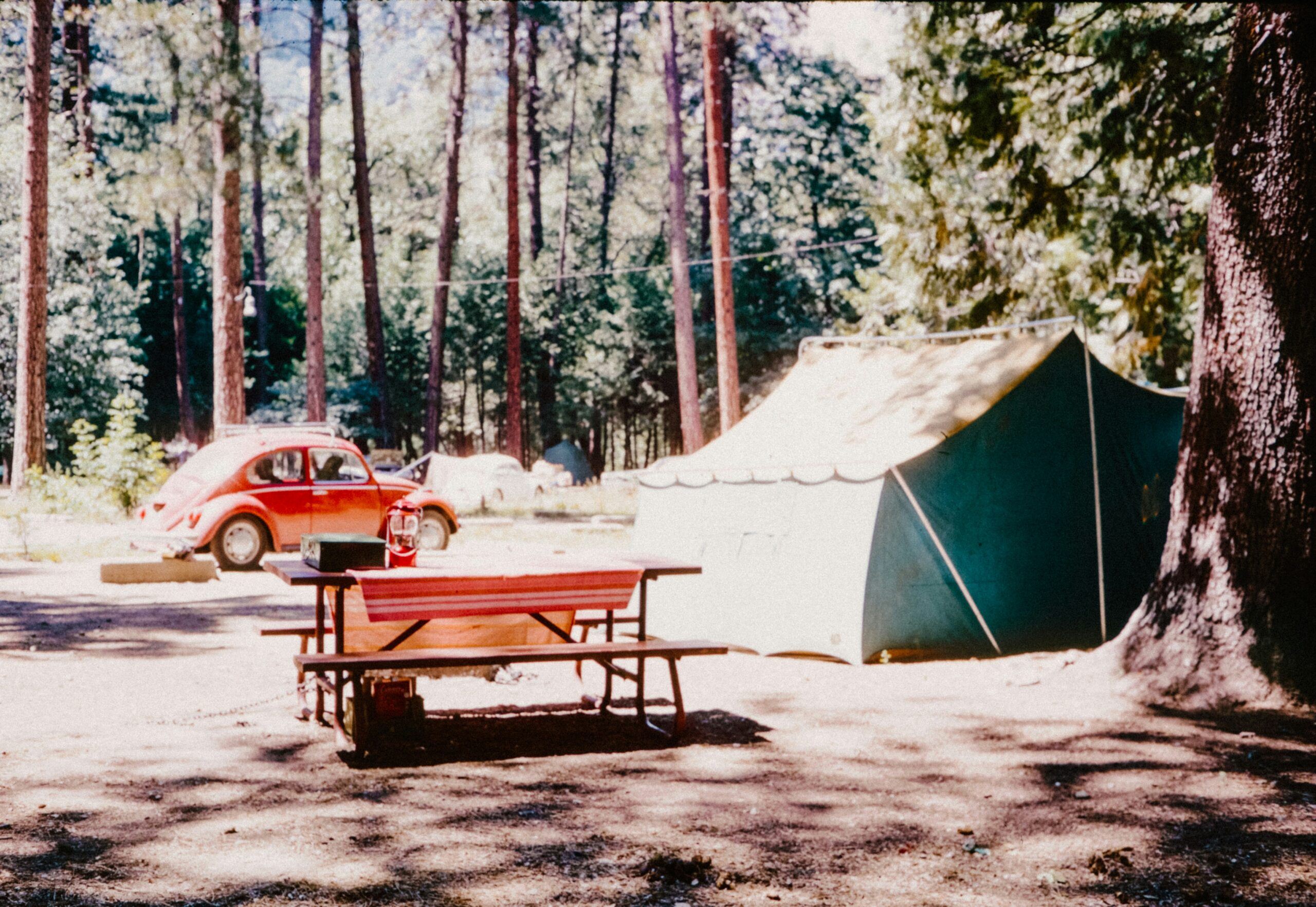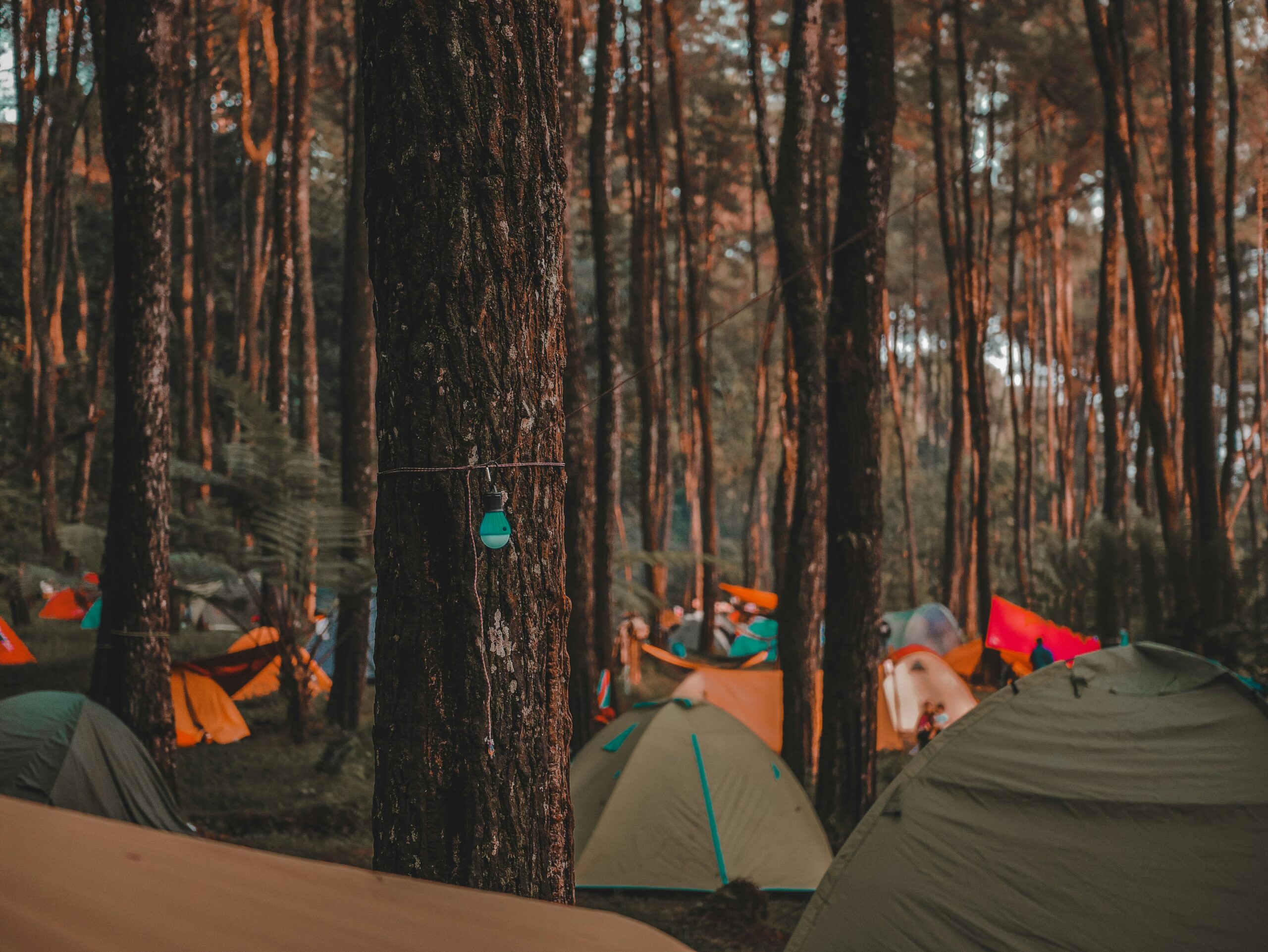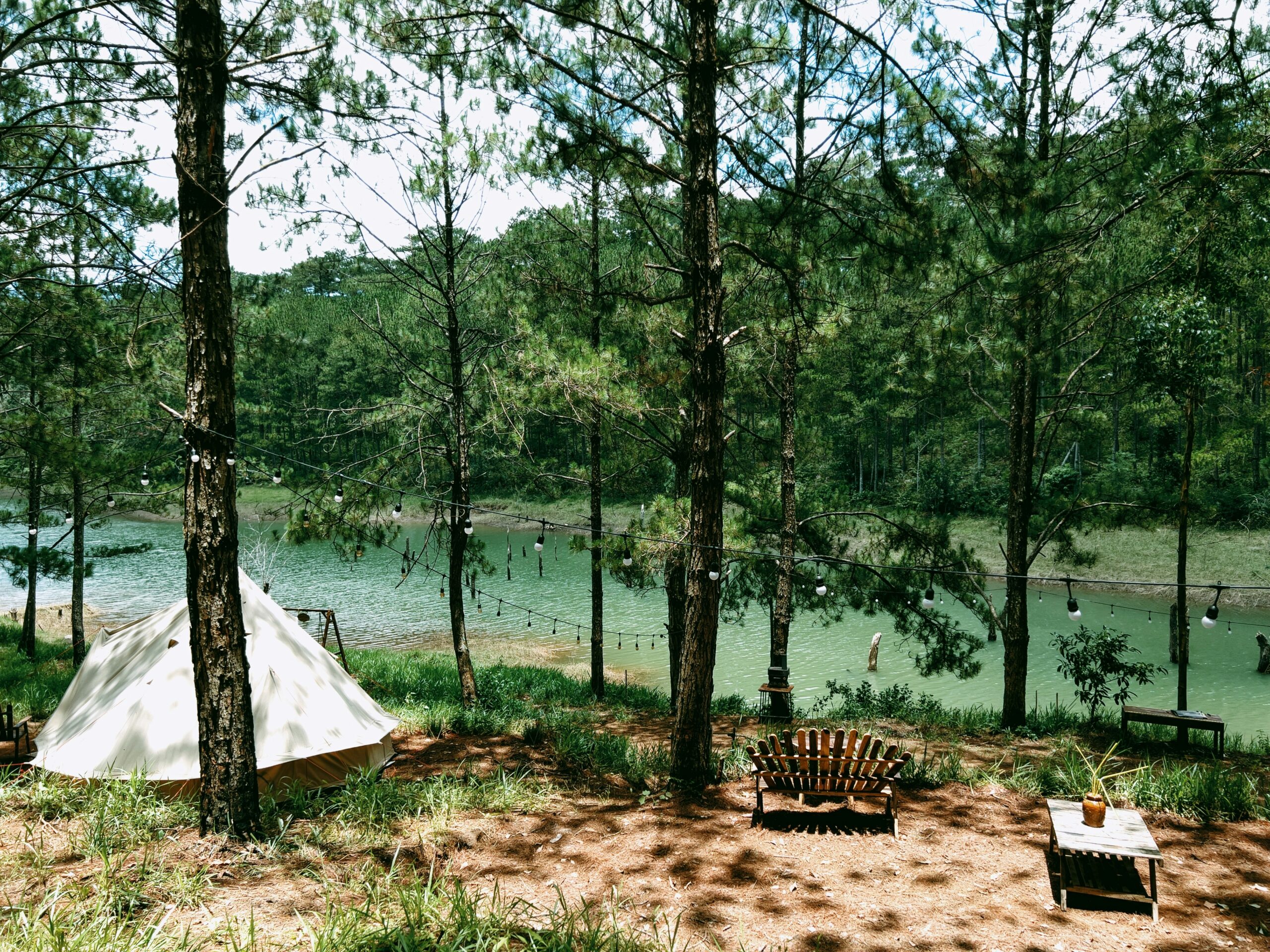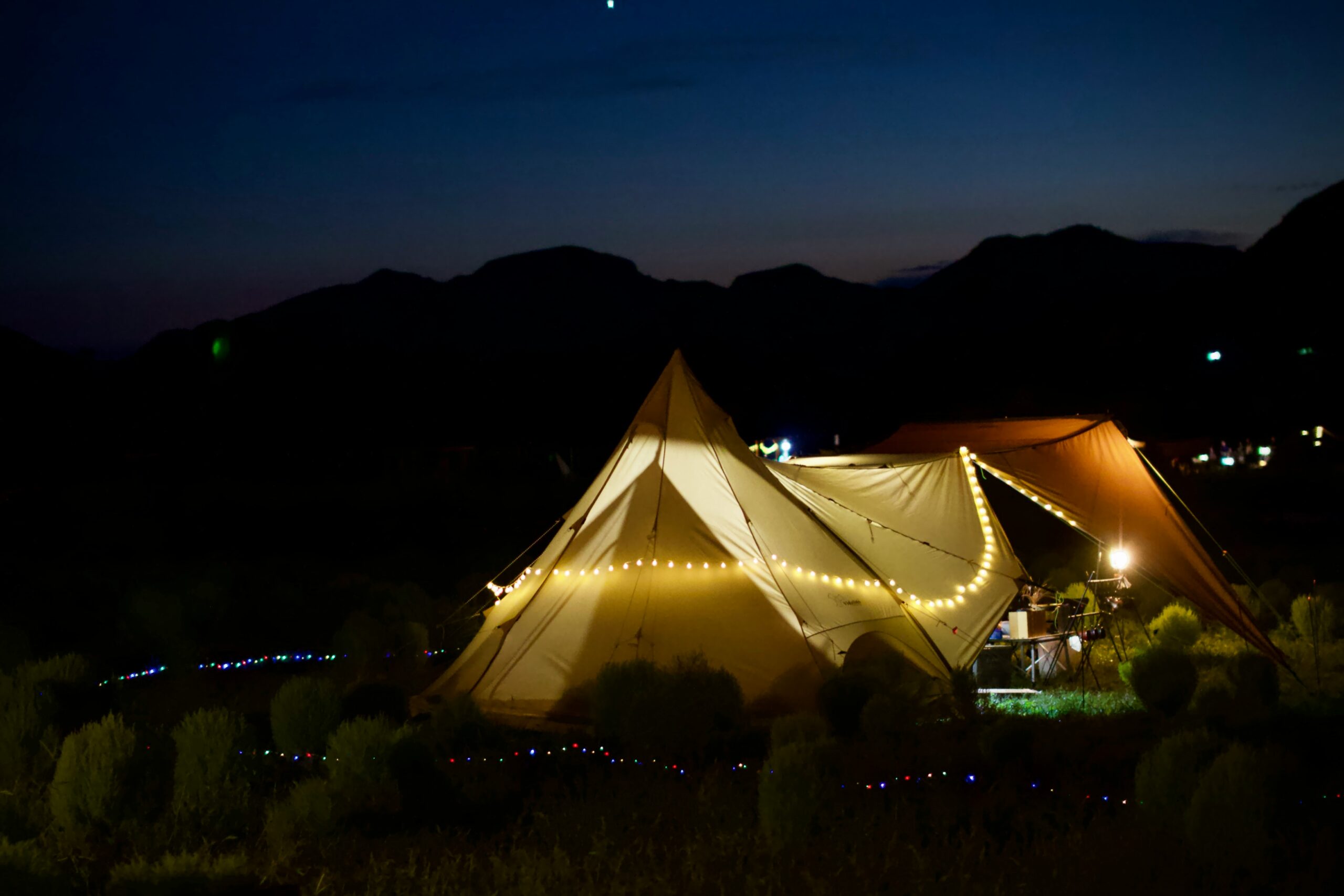
If coastal camping is about waves and wide skies, forest camping is about silence and depth—sunlight filtering through canopy leaves, the earthy scent of moss, and the quiet rustle of life hidden in the undergrowth. Last weekend, I traded noise for stillness, setting up camp in a remote forest preserve where tall pines and maples tower overhead, and the only human sounds are distant hikers’ laughter. This wasn’t just a camping trip; it was a chance to sink into nature’s rhythm, to slow down, and to listen to the forest’s quiet stories. Here’s how I embraced the magic of forest camping, plus the gear that made the experience comfortable and immersive.
I chose a backcountry campground accessible via a 2-mile trail through old-growth forest—no cell service, no restrooms, just raw nature. The hike in was part of the ritual: I carried a lightweight backpack, breathing in the scent of pine and damp soil, and pausing to admire ferns unfurling like green fans and mushrooms popping up from decaying logs. The trail wound past a small stream, where I filled my water bottle (filtered later!) and listened to water gurgling over smooth stones. By late afternoon, I reached the campground—a clearing surrounded by trees, with a fire ring and a flat spot for my tent.
Setting up camp in the forest requires respect for the environment (leave no trace!) and practicality. I laid down a durable footprint to protect the tent floor from twigs and damp ground, then assembled my 1-person backpacking tent—compact enough to fit in my pack but roomy enough for comfort. I strung up a waterproof tarp above the site (essential for forest dew and unexpected drizzle) and hung a mesh bug net around my sleeping area—forests are full of mosquitoes and gnats, especially at dusk. The final touch: a small string of battery-powered lights, strung between two trees, to cast a warm glow without disturbing the forest’s darkness.
The magic of forest camping lies in slowing down. I spent the afternoon wandering the trails, not with a destination, but with curiosity. I knelt to examine tiny wildflowers, traced the rough bark of a centuries-old oak, and watched a woodpecker tap rhythmically on a dead tree. I found a moss-covered log and sat for 20 minutes, just listening: birds chirping, leaves rustling in the breeze, and the distant call of a woodpecker. It was meditative—no phones, no deadlines, just presence. For dinner, I cooked a simple meal of dehydrated curry on my portable stove, eating slowly while sitting on a fallen log, watching the sun set through the trees, painting the sky in soft greens and golds.
Nighttime in the forest was unforgettable. As darkness fell, the forest came alive with new sounds: crickets chirping, owls hooting, and the rustle of small animals scurrying through the underbrush. I lit a small fire (using dry kindling I collected along the trail) and sat by it, wrapped in a warm blanket, sipping herbal tea. The fire’s glow illuminated the trees, casting long shadows, and the stars peeked through the canopy, dimmer than in open spaces but more intimate. I brought a field guide and tried to identify constellations between the branches, but mostly, I just sat and listened—to the forest, to the fire, to the quiet of my own breath.
Morning arrived with a gentle light filtering through the trees. I woke up to the sound of birds singing, not an alarm, and stretched inside my tent before stepping out into the crisp, dewy air. I brewed coffee using a portable pour-over kit, sipping it while sitting on my camping chair, watching mist rise from the ground. After breakfast, I went for a sunrise hike, following a trail that led to a small clearing with a view of distant hills. The forest was quiet, still waking up, and I felt a deep sense of peace—like I belonged there, if only for a little while.
4 Must-Have Gear for Immersive Forest Camping
- Waterproof 1-Person Backpacking Tent: Forests are damp—choose a tent that keeps you dry. The Nemo Hornet 1P ($449) is ultra-lightweight (under 2 lbs), waterproof, and has mesh panels for ventilation (key for reducing condensation). It’s compact enough for backpacking but sturdy enough for forest conditions.
- Mosquito Net and Insect Repellent Gear: Keep bugs at bay. The Therm-a-Rest Mosquito Net (
15) is DEET-free and safe for use around plants—perfect for immersive forest camping where you want to avoid harsh chemicals.
- Insulated Warm Blanket: Forest nights are cool, even in summer. The Rumpl Original Puffy Blanket ($99) is lightweight, packable, and insulated with synthetic down—warm enough for temperatures down to 40°F (4°C) and water-resistant, so it won’t get ruined if it rains.
- Portable Water Filter with UV Purification: Safe drinking water is non-negotiable. The SteriPEN Ultra UV Water Purifier ($129) is compact, lightweight, and kills 99.9% of bacteria and viruses—perfect for filtering stream water in the forest. Pair it with a collapsible water bottle for easy carrying.
Forest camping is about escaping the noise of the world and connecting with nature on a deeper level. It’s about sitting still, listening, and noticing the small things—the way sunlight filters through leaves, the scent of moss, the call of a woodpecker. It requires a willingness to slow down and embrace simplicity, but the reward is a sense of peace and renewal that’s hard to find elsewhere. If you’re craving stillness and a break from the chaos of daily life, grab your gear, hit the forest trails, and let the woods wrap you in their quiet magic.