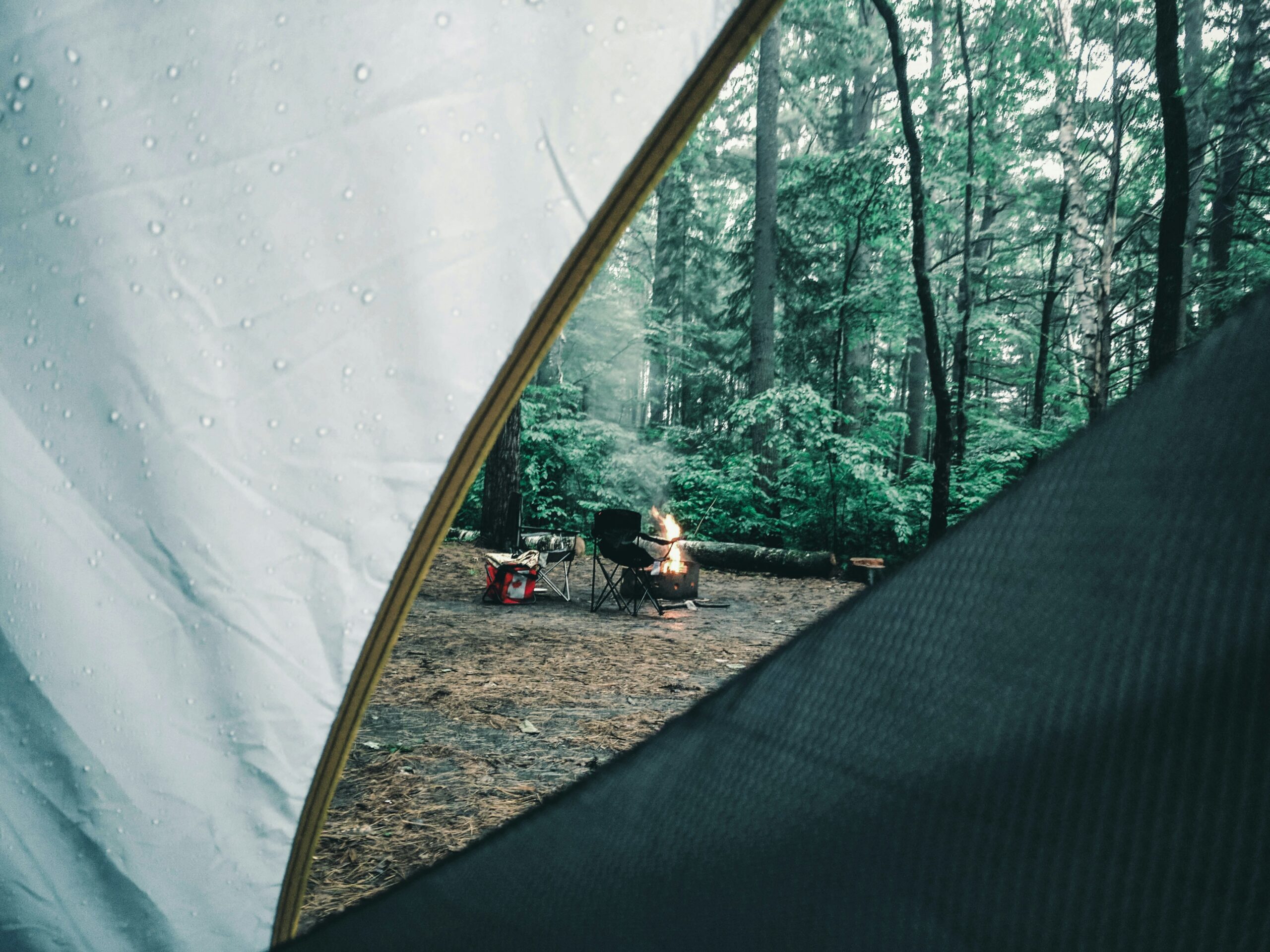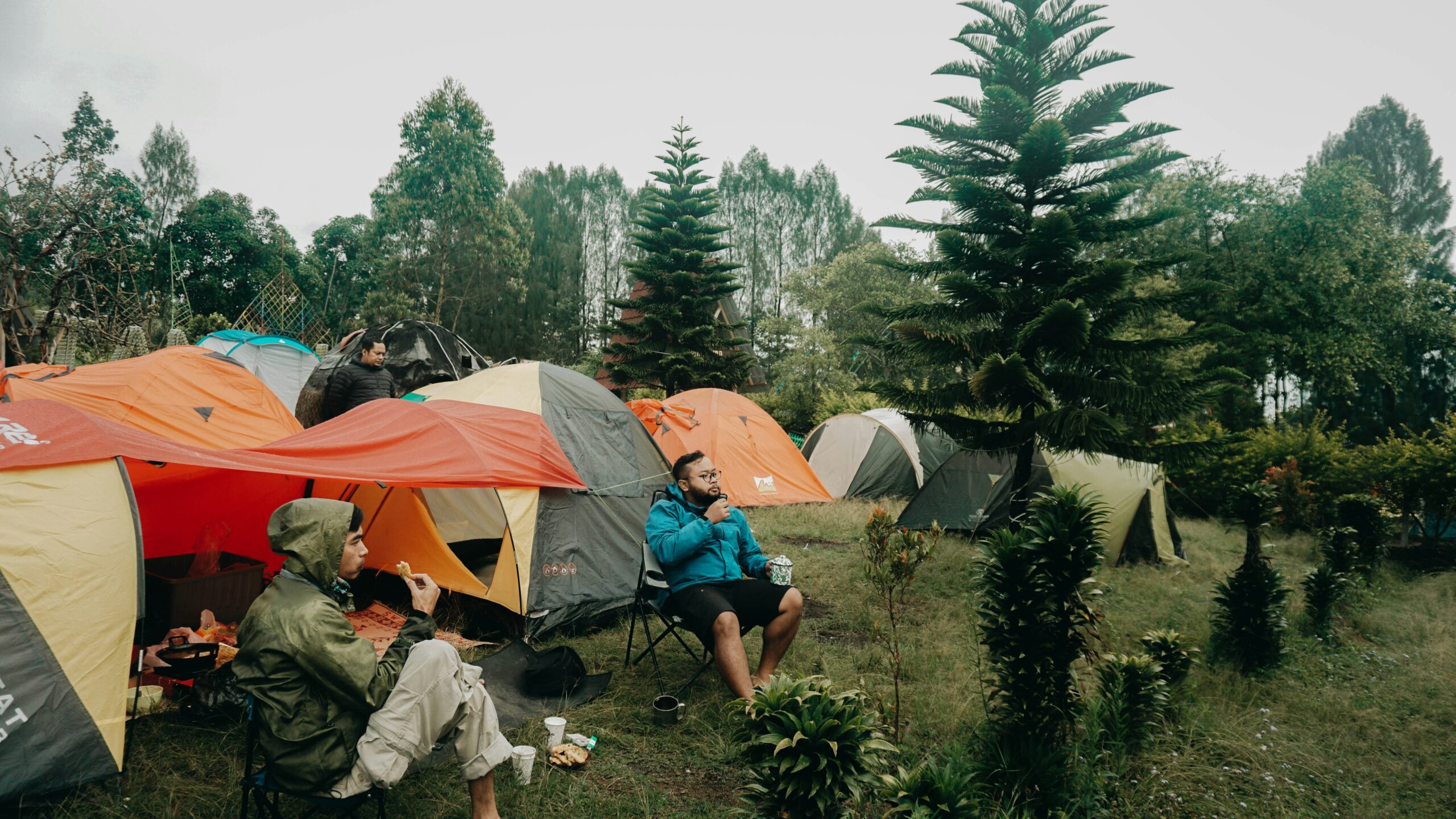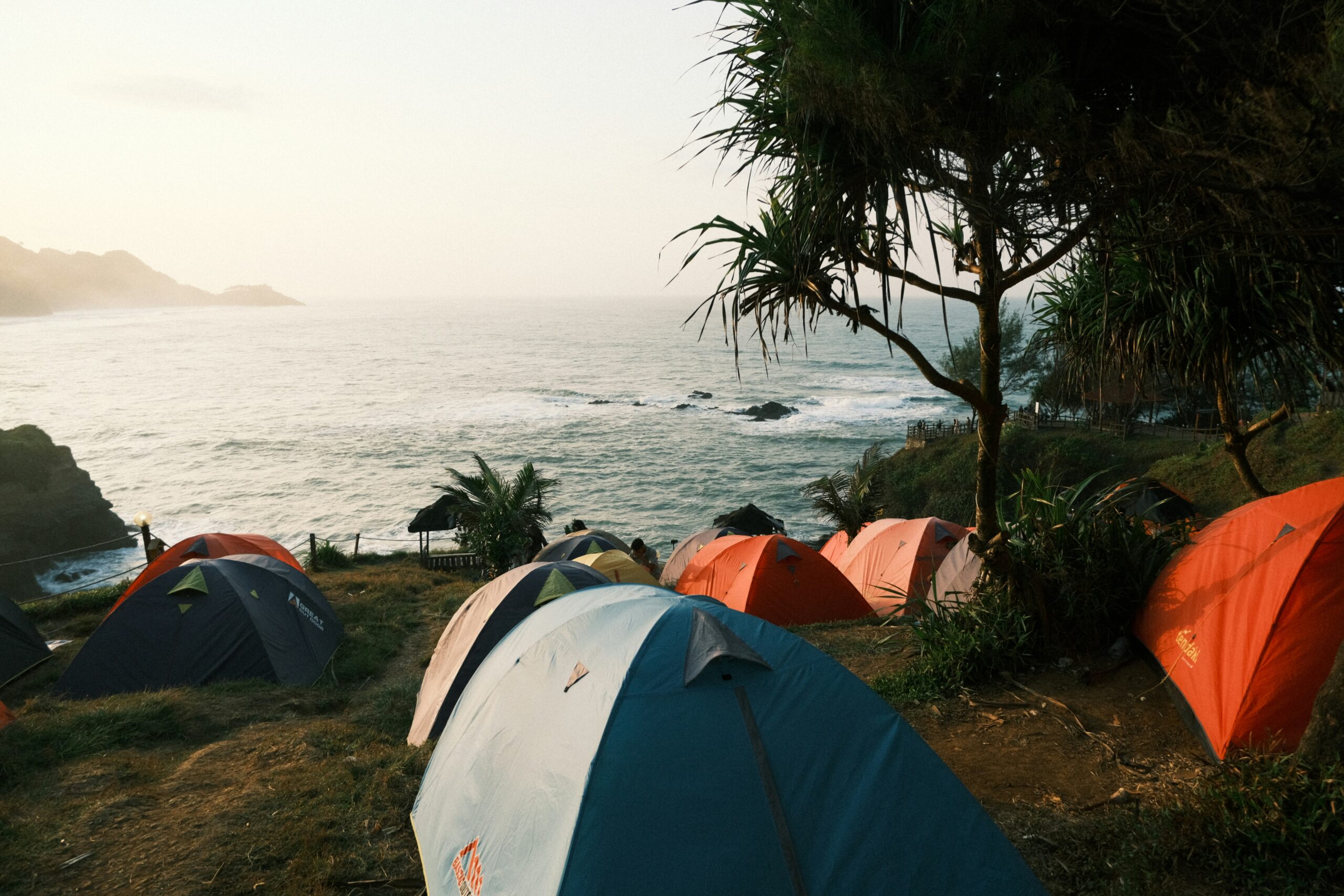
There is a particular magic in stepping off the trail and into the embrace of a mature forest. This is not about reaching a destination, but about becoming part of the ecosystem. Forest camping is a practice in sensory recalibration—a deliberate slowing down to the pace of growth and decay, where the goal is not to conquer terrain, but to listen to the layered whispers of the woodland.
The Philosophy of the Grove
Unlike the panoramic vistas of mountains or coastlines, the forest’s beauty is intimate, detailed, and requires a shift in perception. It invites you to look inward and closer: at the fractal patterns of lichen on bark, the intricate architecture of a fern, the dappled light painting the forest floor. This is camping as an exercise in soft focus—replacing the quest for sweeping views with an appreciation for the micro-landscape. It is the practice of “forest bathing” (Shinrin-yoku) extended overnight, allowing the phytoncides (natural antimicrobial oils released by trees) and the profound, muffled quiet to work their restorative science on mind and body.
The Campsite as a Natural Niche
The ethos here is concealment and minimal disruption. The ideal site is found in a healthy stand of trees on durable leaf litter or pine duff, far from dead snags (“widow makers”) and drainage gullies. You seek a natural clearing just large enough for your shelter, not one you create. The forest floor itself is a gift—often softer and more insulated than any other backcountry surface.
Setting up is a quiet ritual. A trekking pole tent or a minimalist tarp setup often feels more appropriate than a brightly colored dome, allowing you to blend into the woodland palette. Your camp should be invisible from even 50 feet away, preserving the sense of discovery for others and the natural patterns for wildlife.
The Rhythms of the Woodland Day
A forest camp runs on a different clock, governed by light filtering through the canopy.
-
The Golden Hour Extended: Morning sun arrives in slanting pillars, and evening lingers in a long, soft twilight. These become your most active times for exploration without a headlamp.
-
The Midday Repose: When the sun is high, the forest offers its cool, shaded sanctuary. This is the time for reading in a hammock, sketching, or practicing camp craft like whittling a tent stake.
-
The Nocturnal Awakening: As true dark falls, the forest reveals its second shift. With a red-light headlamp to preserve night vision, you can observe the bustling world of insects, listen for owls, and witness the silent flight of moths. The air cools rapidly, drawing the rich, damp scent of earth.
The Skills of Unseen Presence
Advanced forest camping leans into low-impact woodcraft:
-
The Leave-No-Trace Fire: If fires are permitted, the “Dakota Fire Hole” is the masterclass technique. A small, efficient fire built entirely below ground in a dug pit minimizes visual impact, concentrates heat for cooking, and leaves a nearly undetectable scar once filled in.
-
Natural Navigation: Learning to read the subtle signs—moss growth patterns (not always reliable), prevailing wind direction on tree shaping, the sound of water in a ravine—reconnects you to ancestral wayfinding skills.
-
The Silent Camp: Using gear that minimizes noise—soft-sided stuff sacks, a quiet stove, avoiding metallic clangs—increases your chances of witnessing the undisturbed life of the forest.
The Sensory Return
The reward is a deep, grounded calm. The constant, low-level stress of modern life is absorbed by the spongy ground and the patient trees. Sleep often comes easier, lulled by the white noise of wind in the high branches. You develop “squirrel vision,” noticing movement and detail you’d usually miss. You begin to identify trees by the sound of the wind in their leaves—the rush of aspens, the sigh of pines, the rattle of oaks.
Forest camping is a homecoming to a older, slower, more intricate world. It teaches you that a journey need not be measured in miles, but in the depth of your perception. You pack out your gear and carry in a renewed, quiet awareness—the memory of green stillness etched into your senses.
4 Gear Picks for the Discerning Forest Camper
-
Hammock Gear Wanderlust Kit: This integrated hammock, bug net, and rainfly system lets you camp above the forest floor. It’s the ultimate tool for leaving no trace, offering unparalleled comfort and a unique, swaying perspective of your woodland surroundings.
-
Sawyer Picaridin Insect Repellent & Permethrin Spray Kit: The forest’s greatest challenge is often its smallest inhabitants. This two-pronged defense—Picaridin for skin and Permethrin for treating clothing and gear—provides long-lasting, effective protection against ticks and mosquitoes without the drawbacks of DEET.
-
Lodge Cast Iron Sportsman’s Grill: For basecamp-style forest stays, this compact, versatile grill transforms a safe, established fire pit into a full kitchen. It’s perfect for cooking fresh-caught fish or grilling foraged mushrooms, turning a meal into a true woodland feast.
-
Fjällräven Keb Wool Padded Jacket: For the cool, damp stillness of the forest, this jacket is ideal. Its wool-blend padding provides exceptional warmth even when damp, and its G-1000 Eco fabric is durable, quiet against brush, and can be waxed for increased weather resistance. It feels like part of the natural environment.